The Tension
Teachers needed real-time student feedback but existing tools disrupted the learning environment. The act of monitoring was breaking the thing being monitored — every time a teacher turned to a screen to log an observation, they lost the classroom moment they were trying to capture. The tools demanded too much attention, required too many decisions, and pulled teachers out of the natural flow of instruction.
My Approach
I co-designed with teachers through workshops — not observing them from behind glass, but working alongside them to understand the rhythm of a classroom. The insight that shaped everything: teachers operate in 2-3 second windows between student interactions. The interface had to work within that constraint. I prioritized larger UI elements that could be tapped without looking, clear typography readable at arm's length, and reduced decision points so each interaction took one tap instead of three. Five prototype iterations were tested directly in classrooms, each one refined based on how teachers actually used the tool mid-lesson.
Tools & Methods
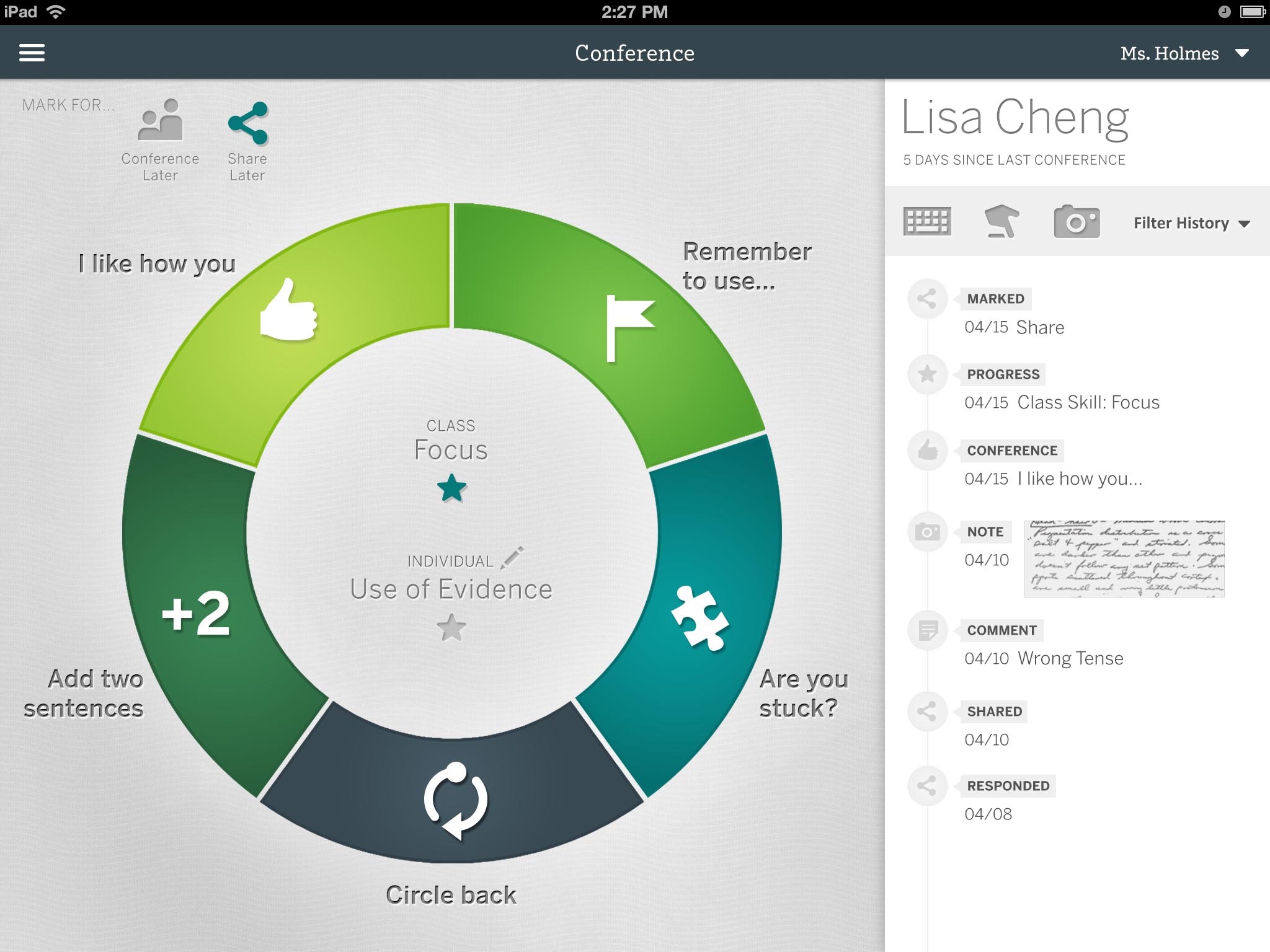
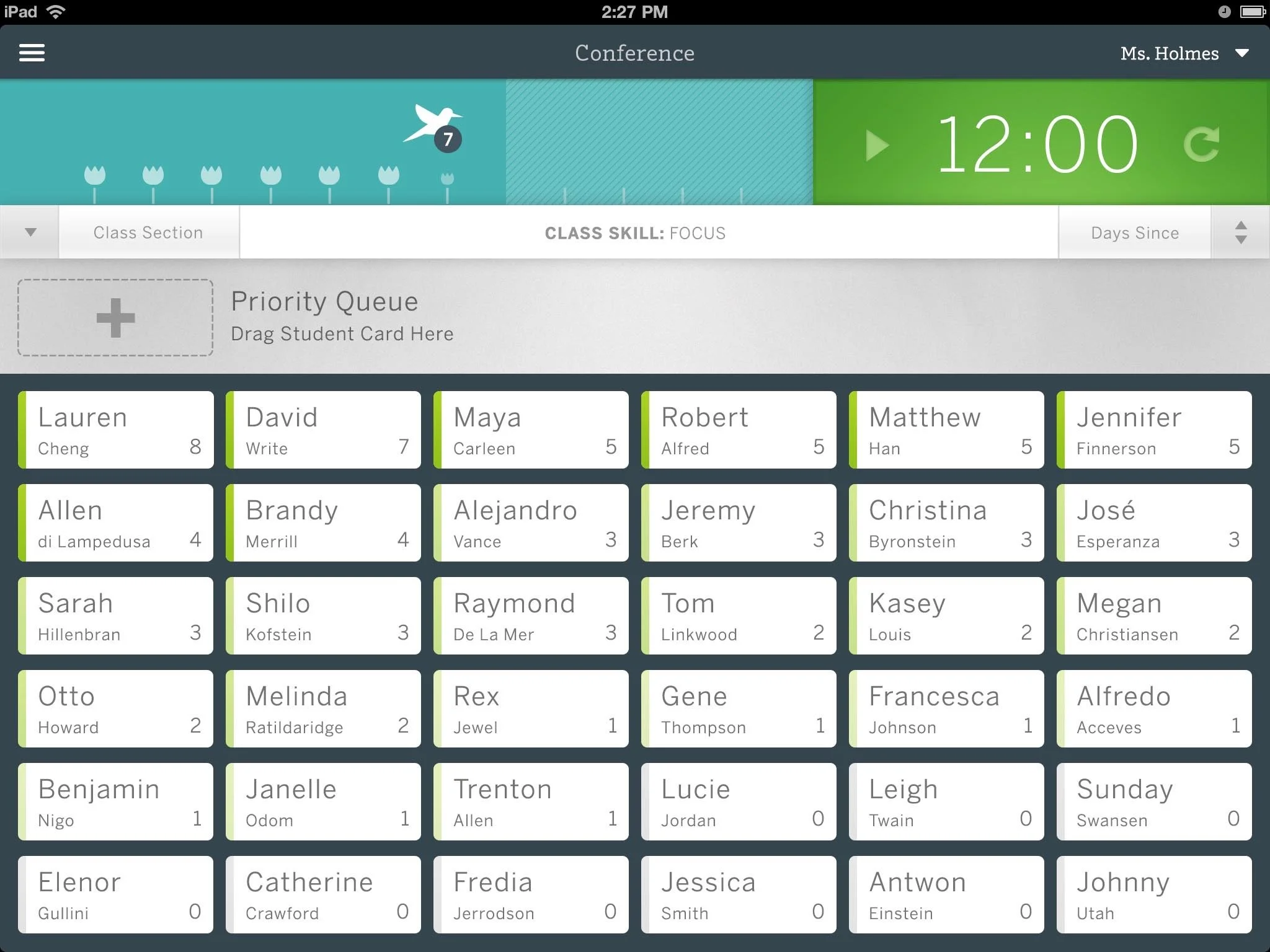
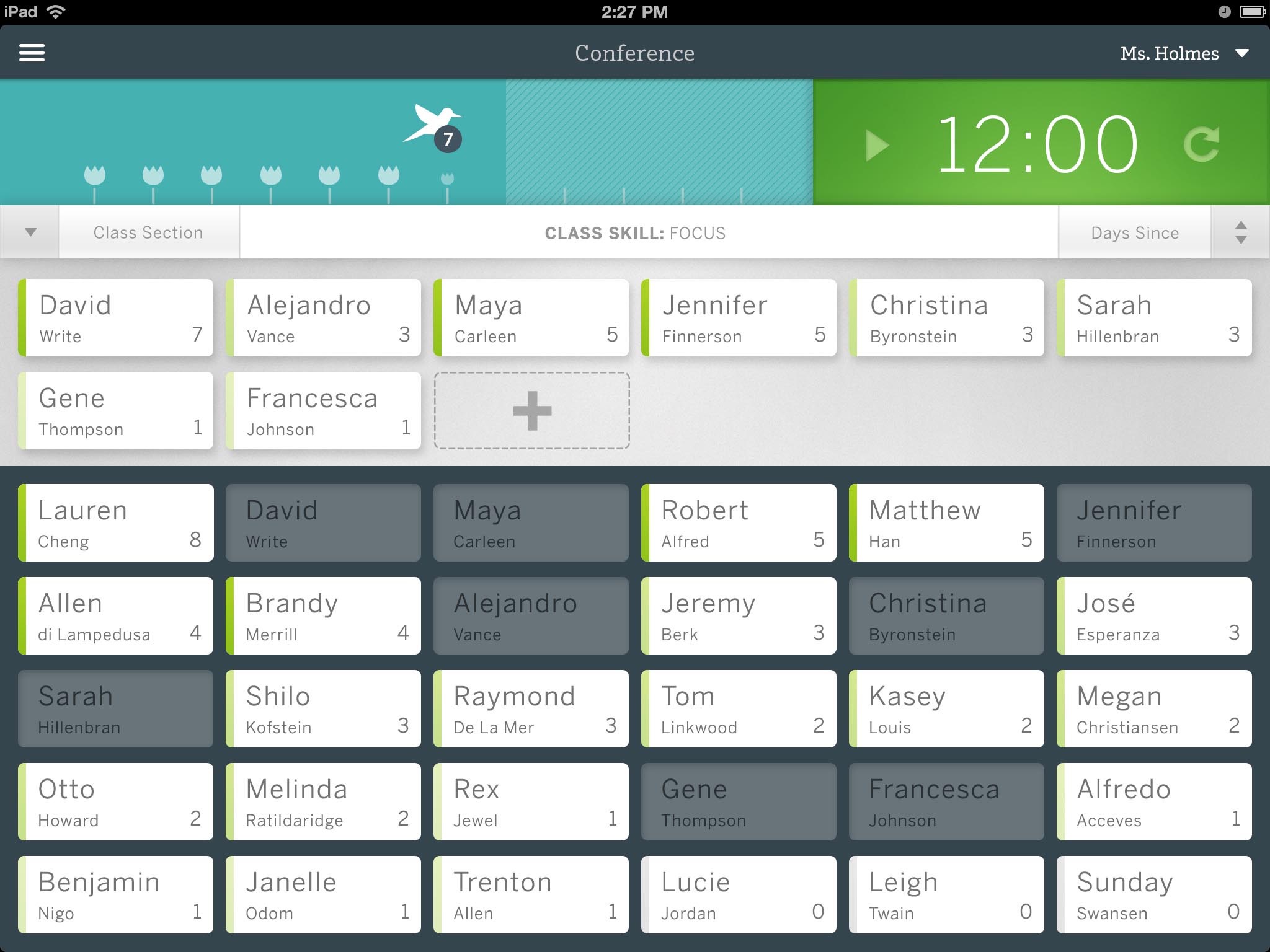
01 — Key Contributions: Enabling quick recording to maximize engagement. The donut-wheel interaction was built for the 2–3 second window between student interactions — large touch targets, tap-without-looking navigation, and an at-a-glance roster.
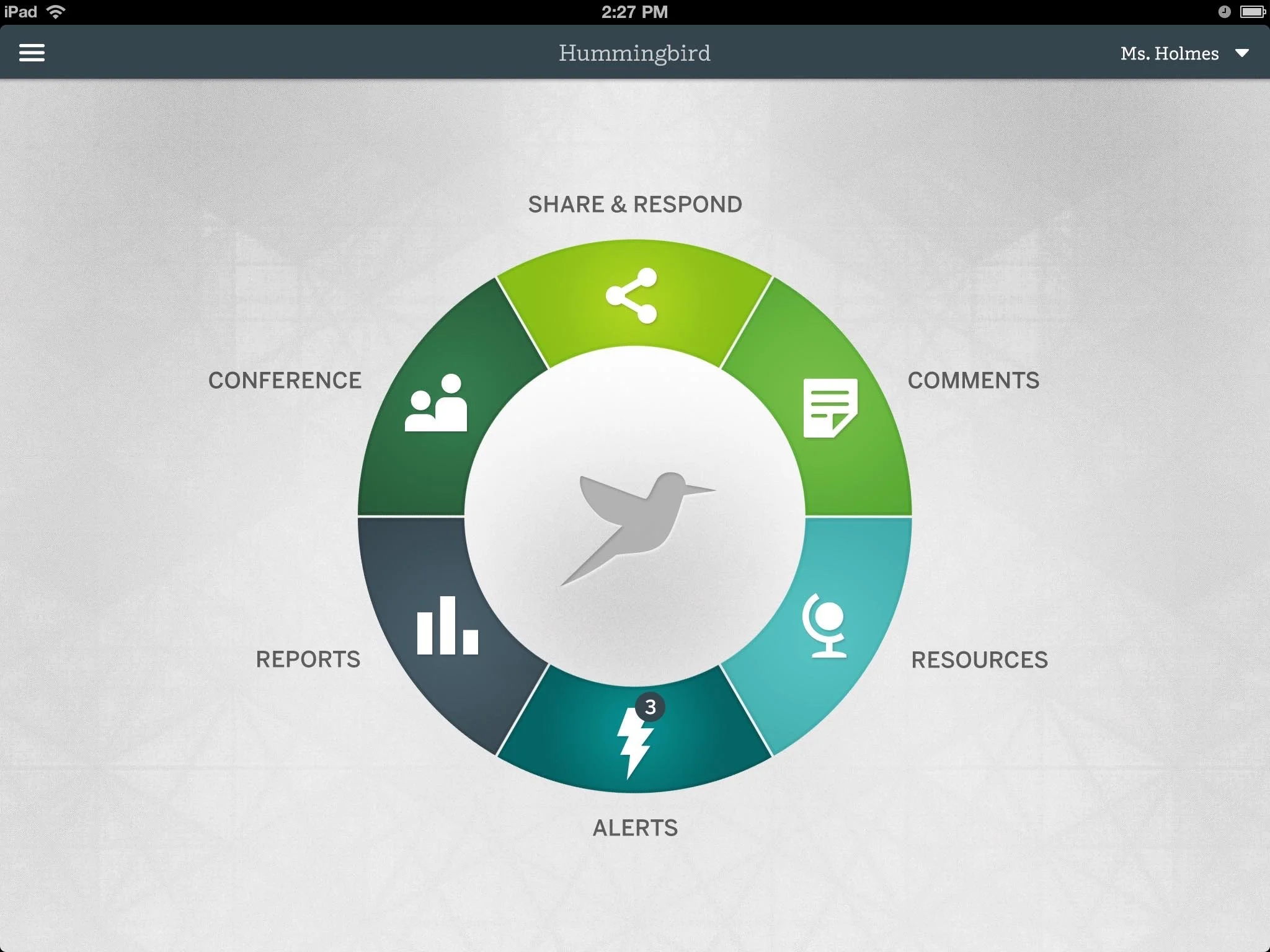
02 — Design Process: Co-Design Workshops. Teachers and designers mapped requirements together on the wall, testing early concepts before a single screen was drawn.
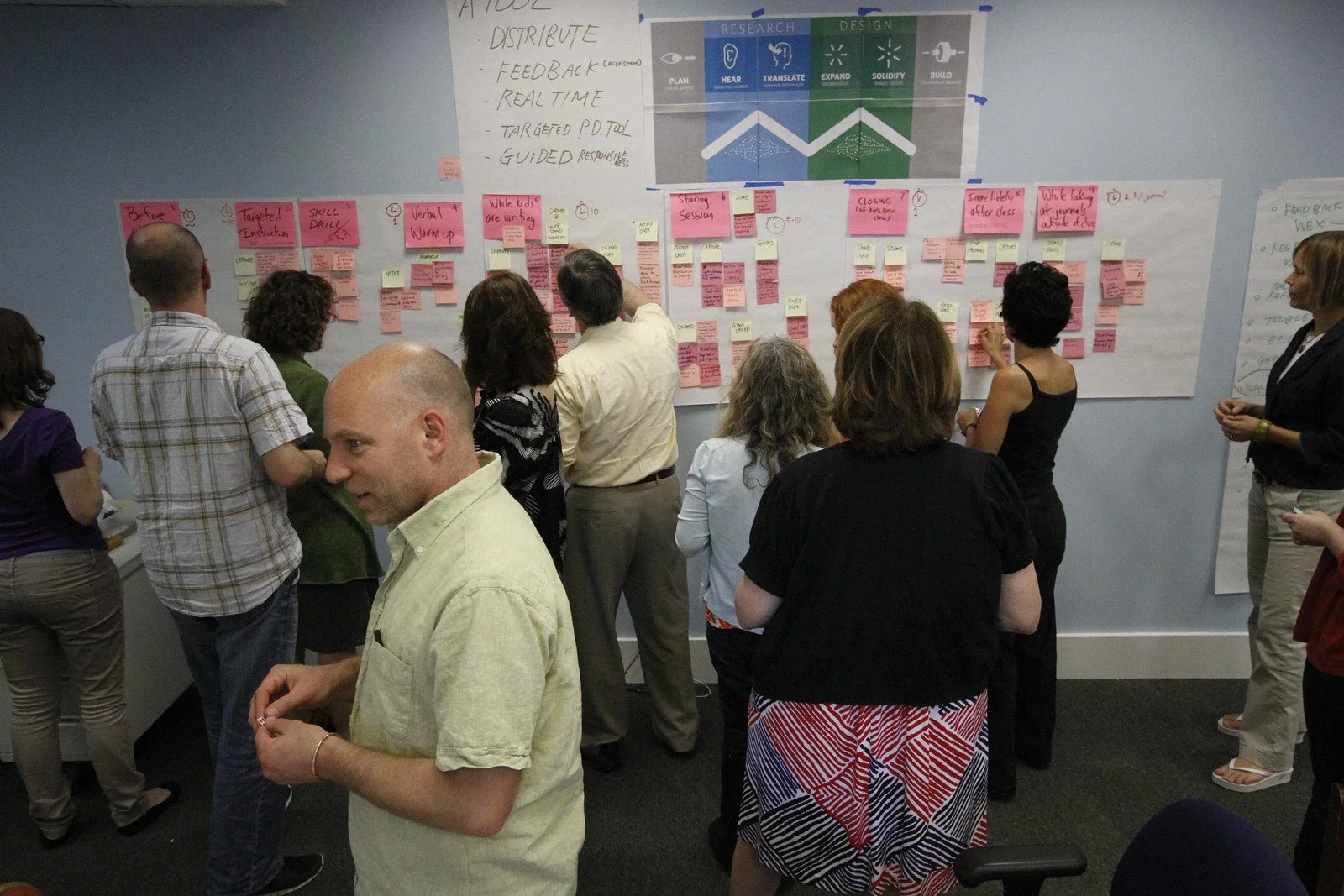
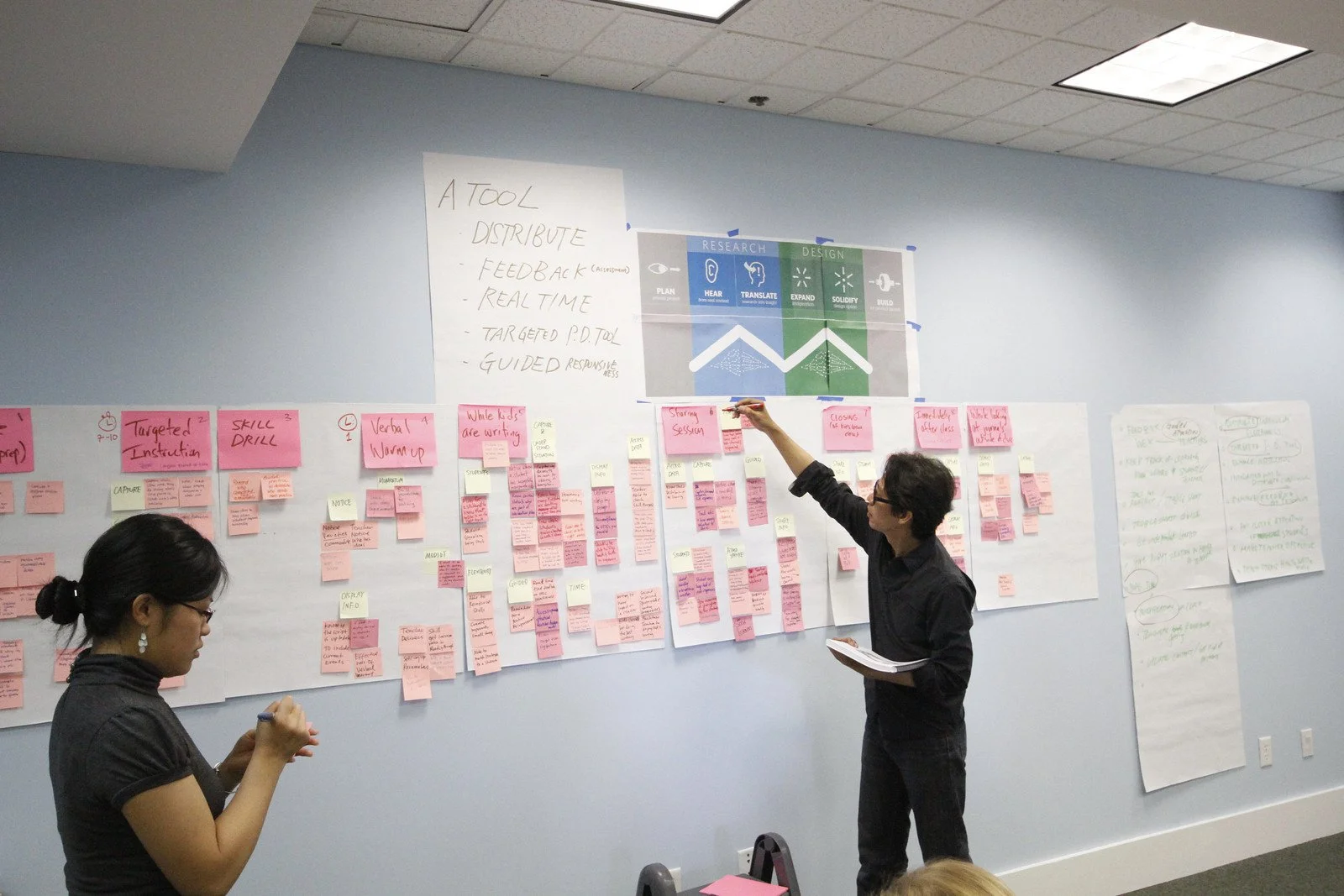
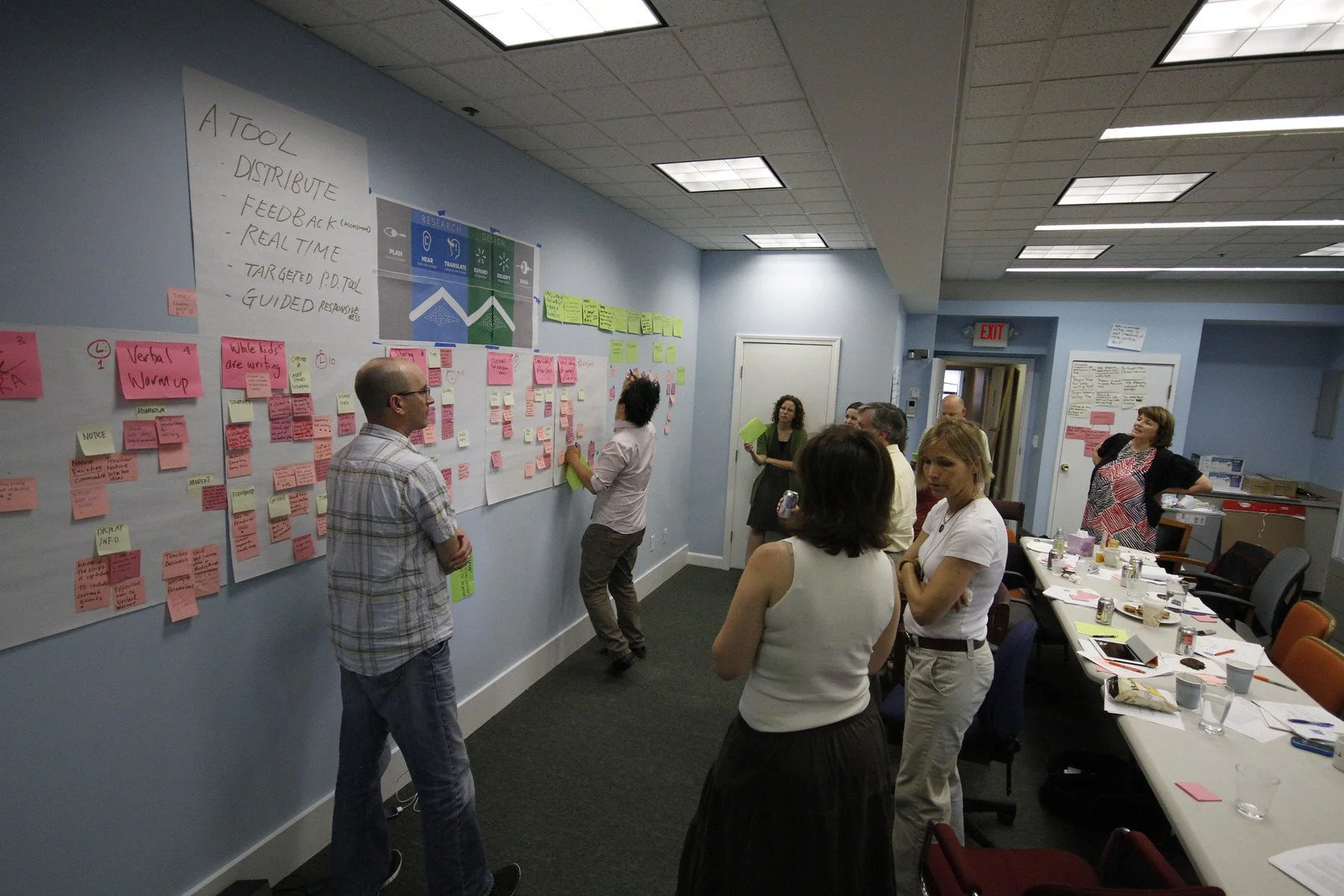
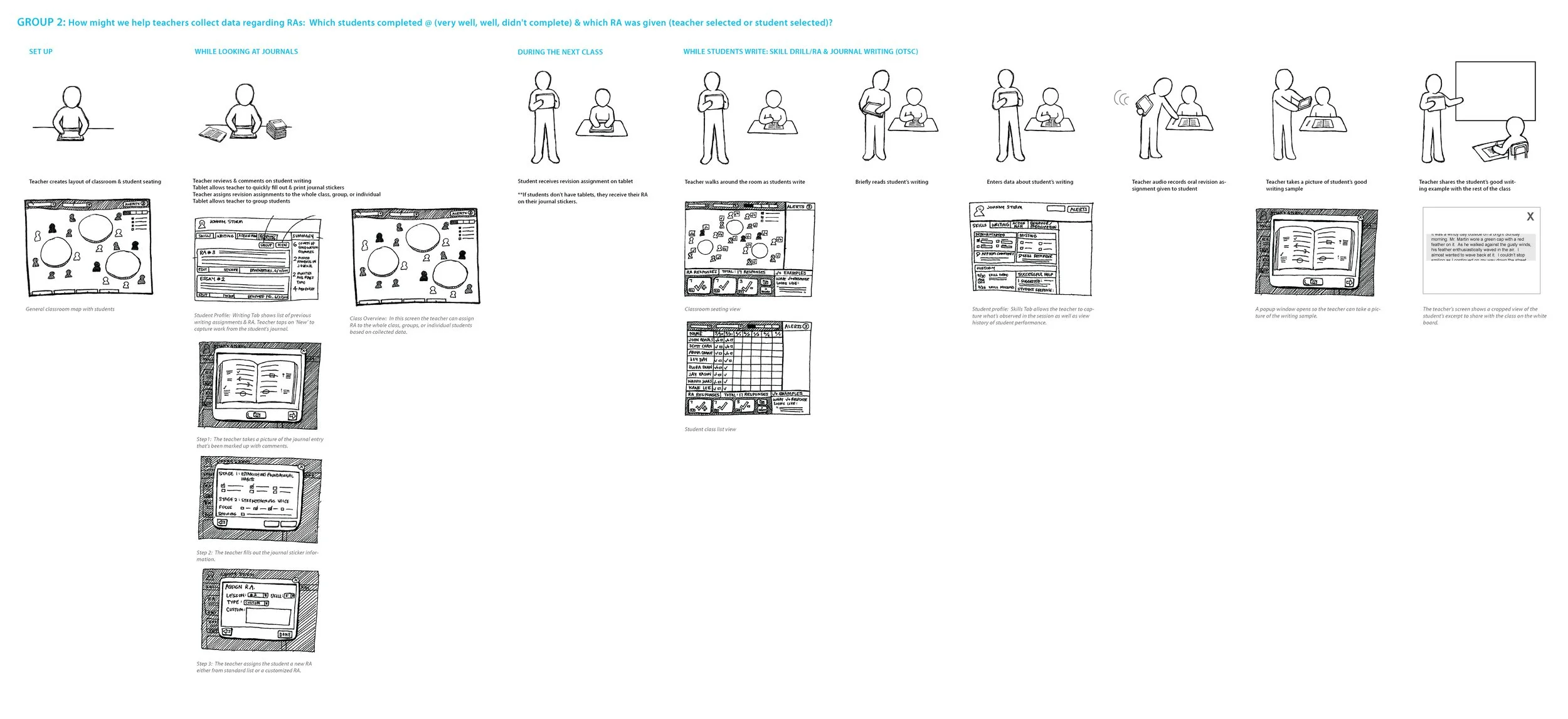
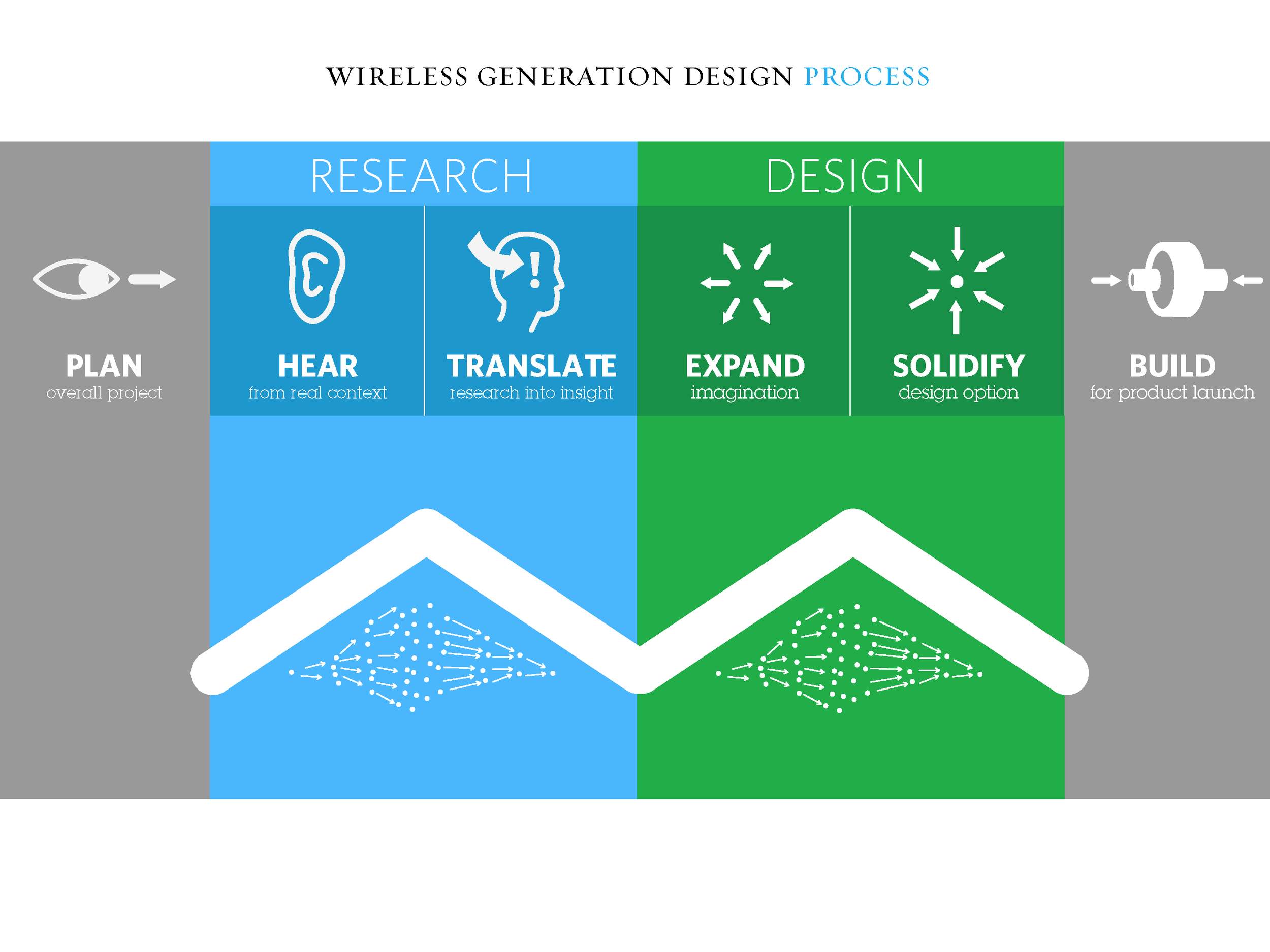
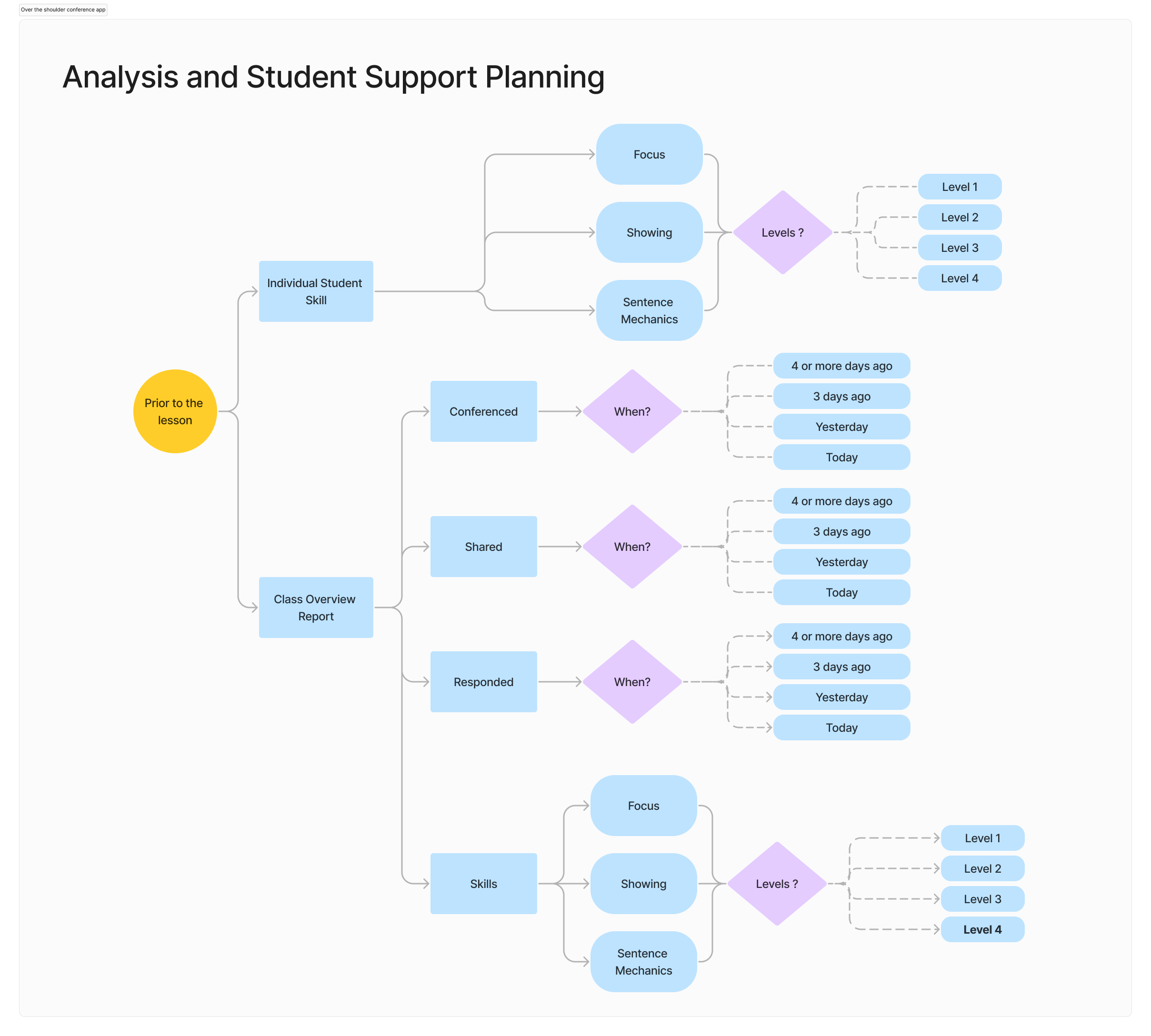
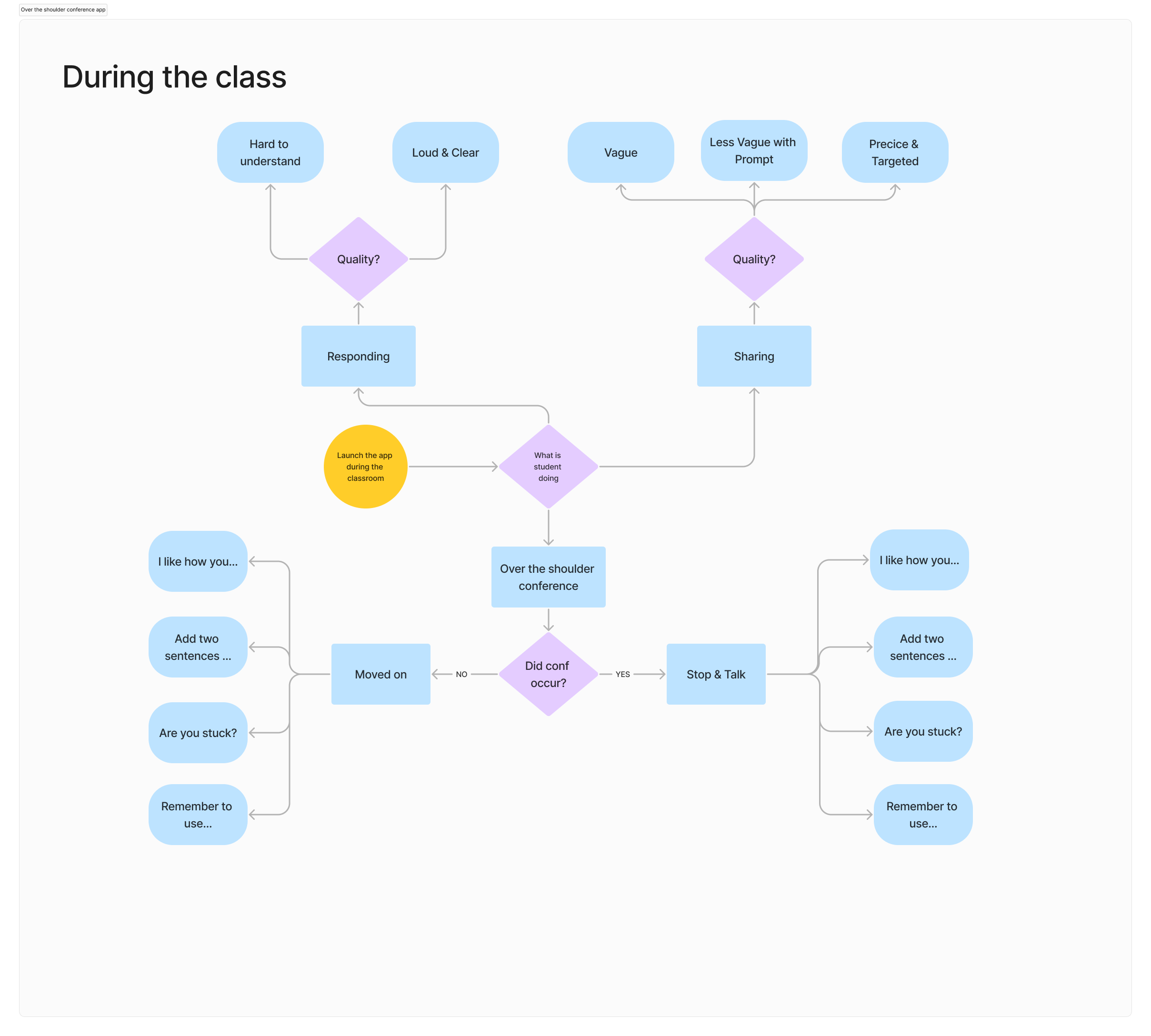
03 — Process & Flow: Charrette process diagram and application flow mapping the teacher's interaction model.
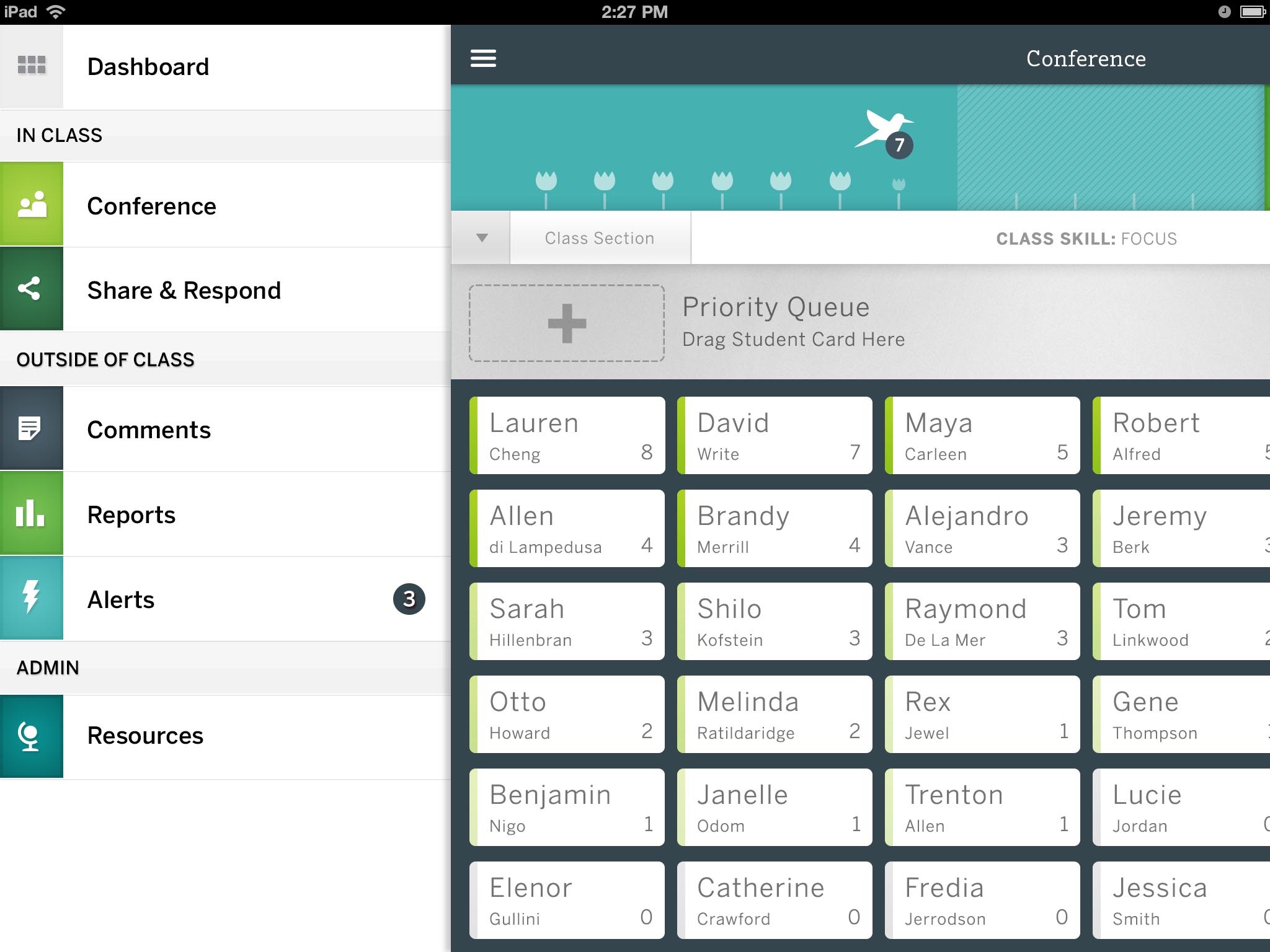
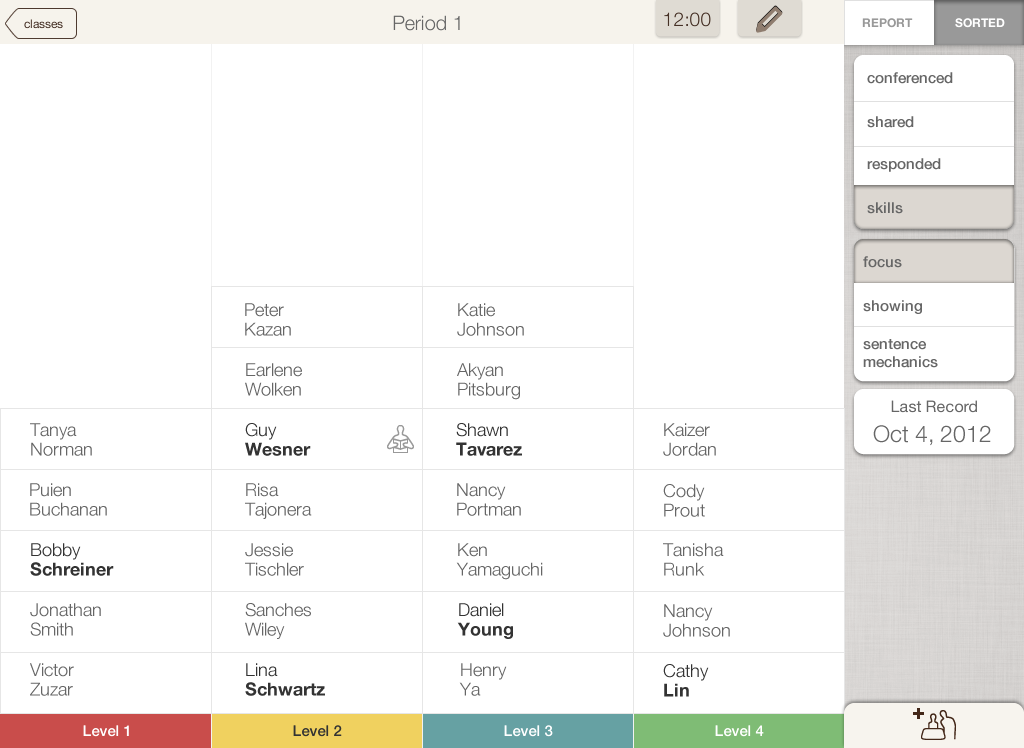
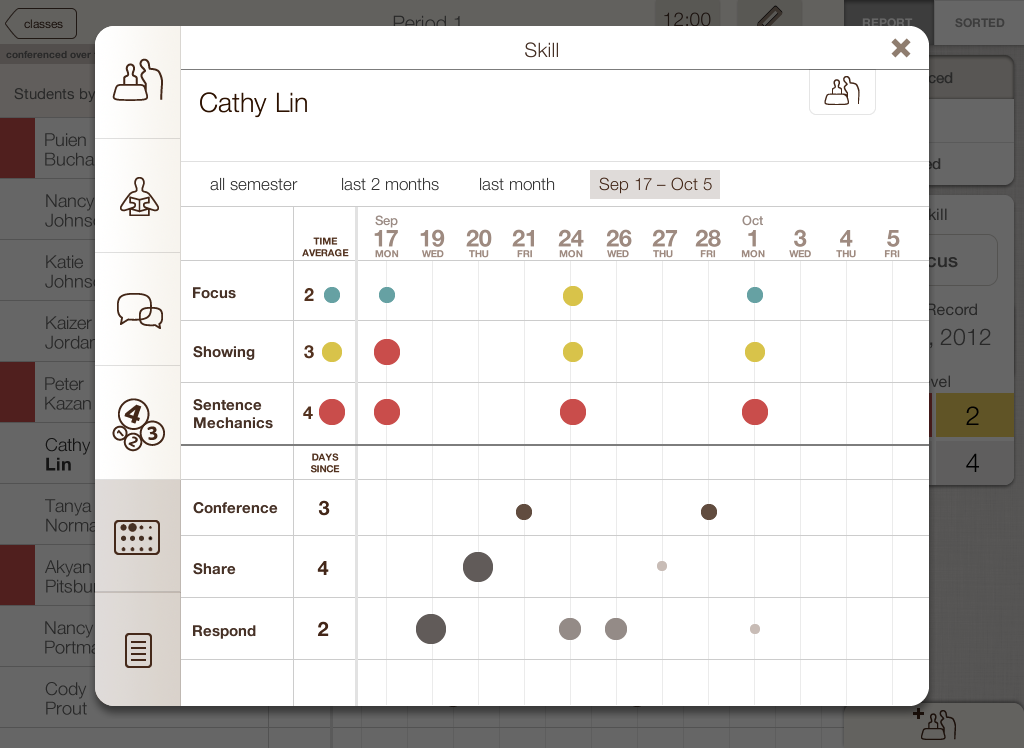
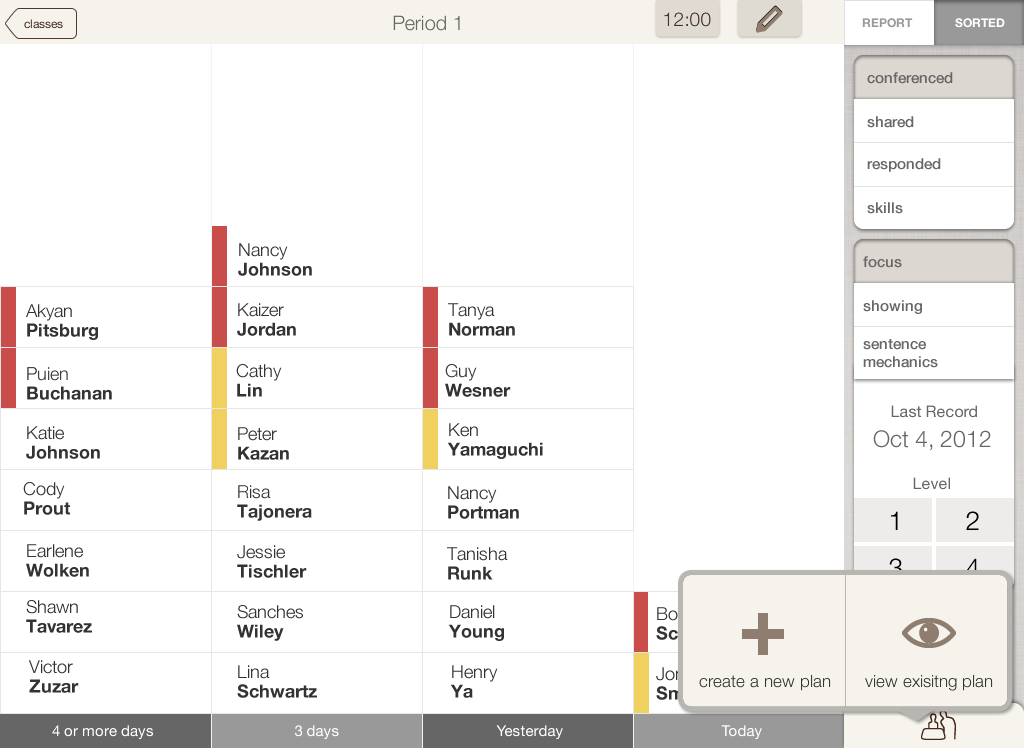
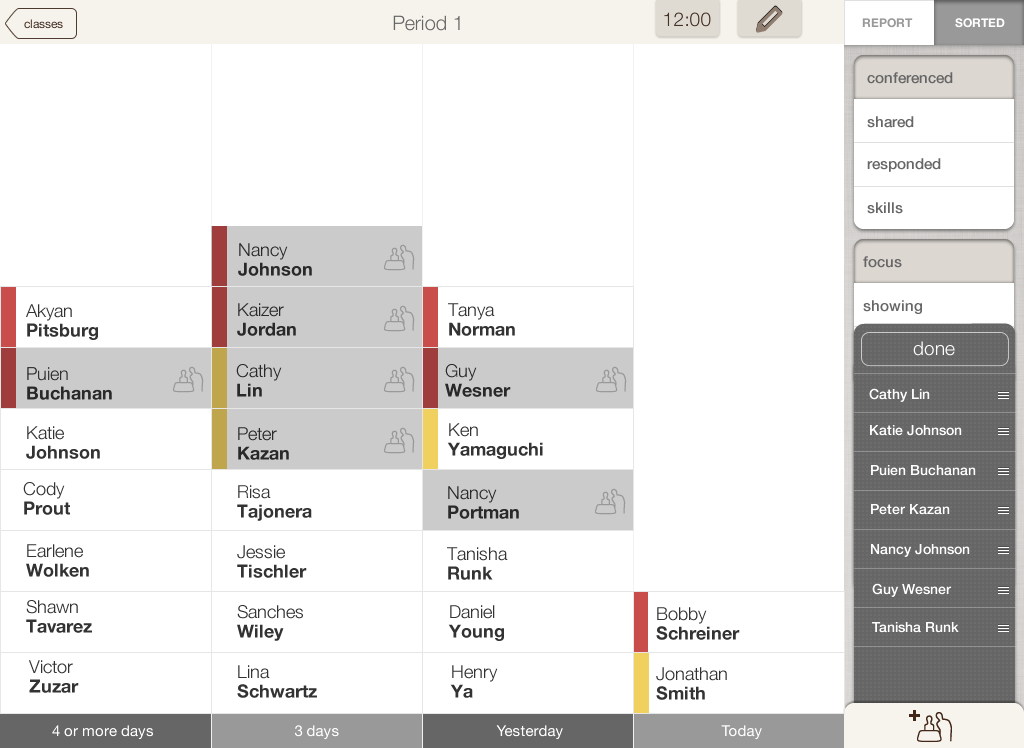
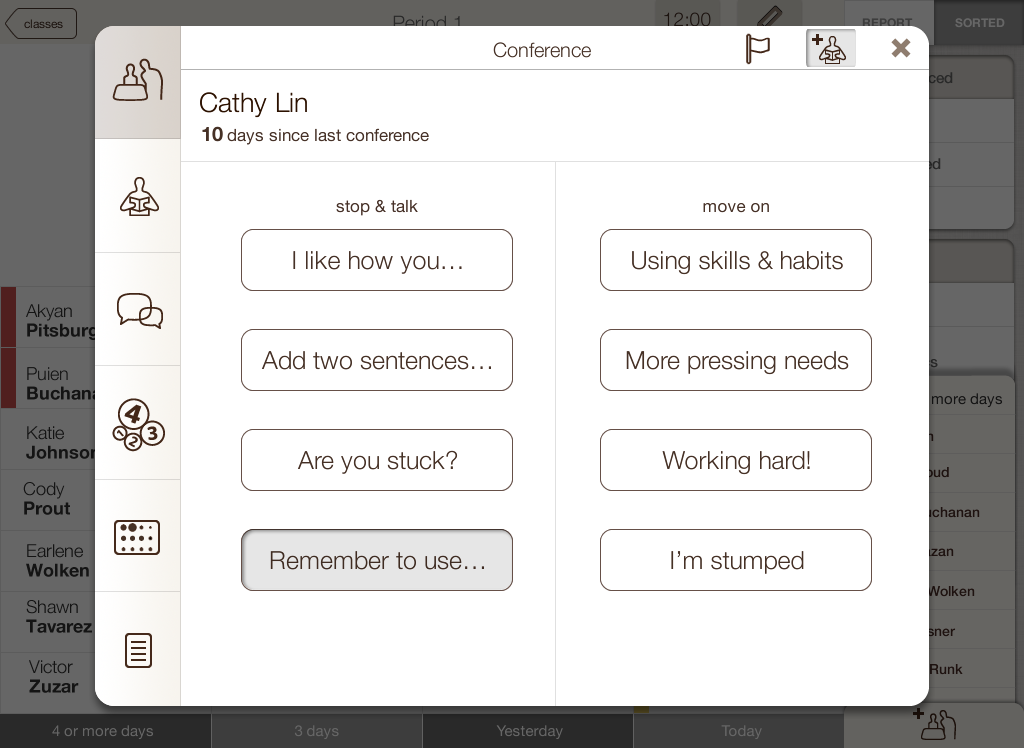
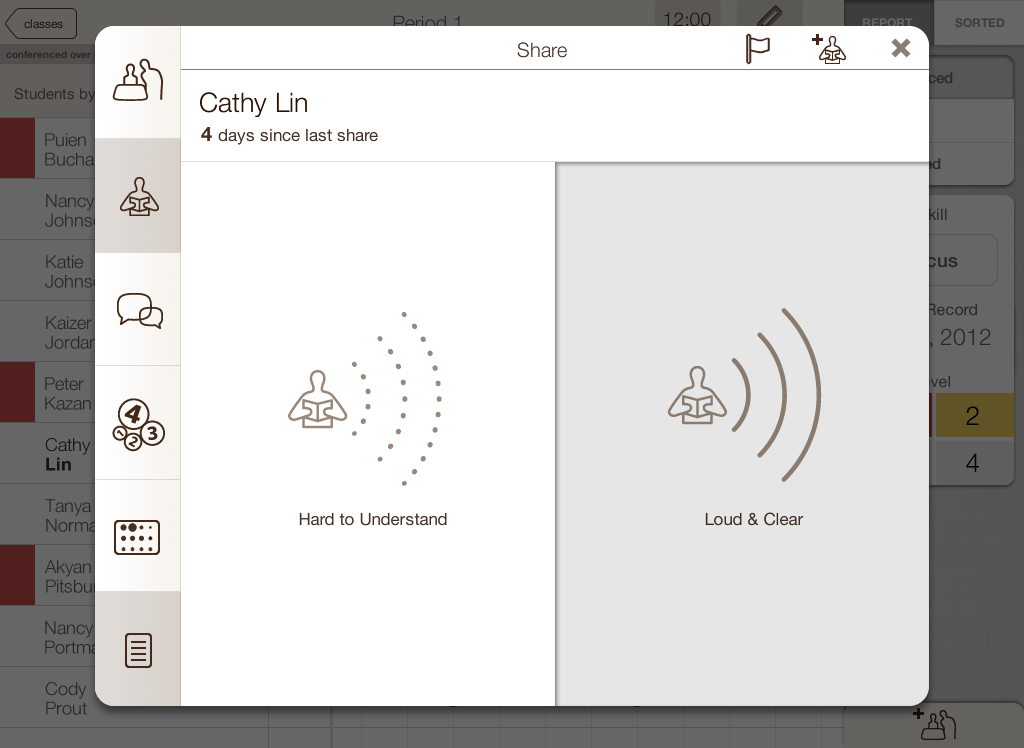
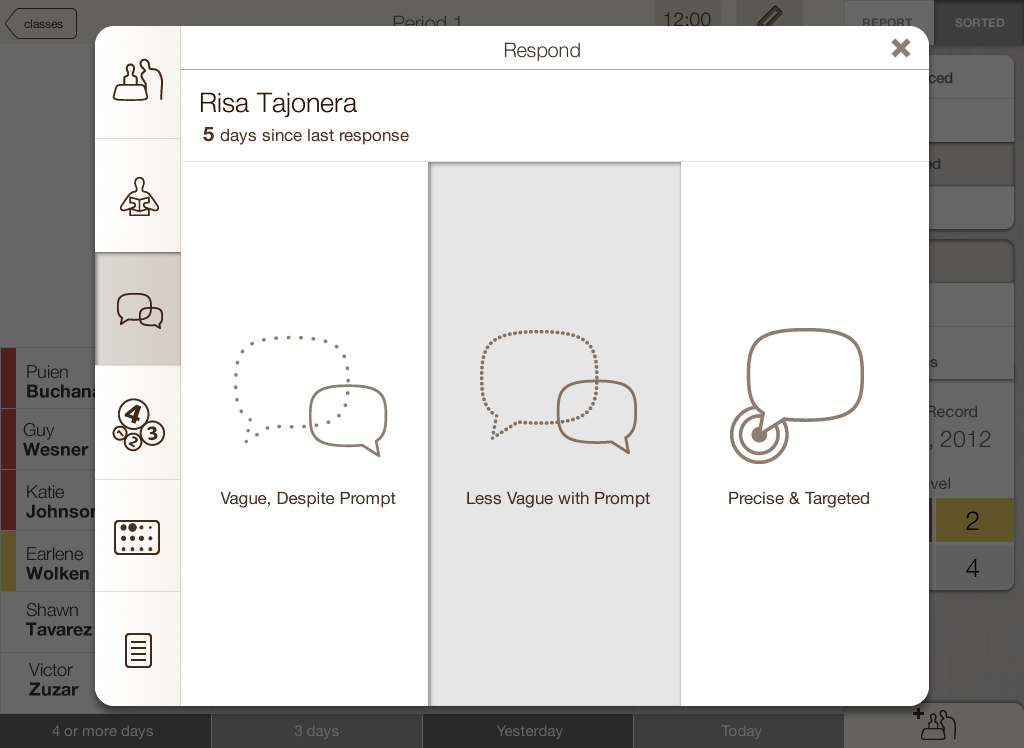
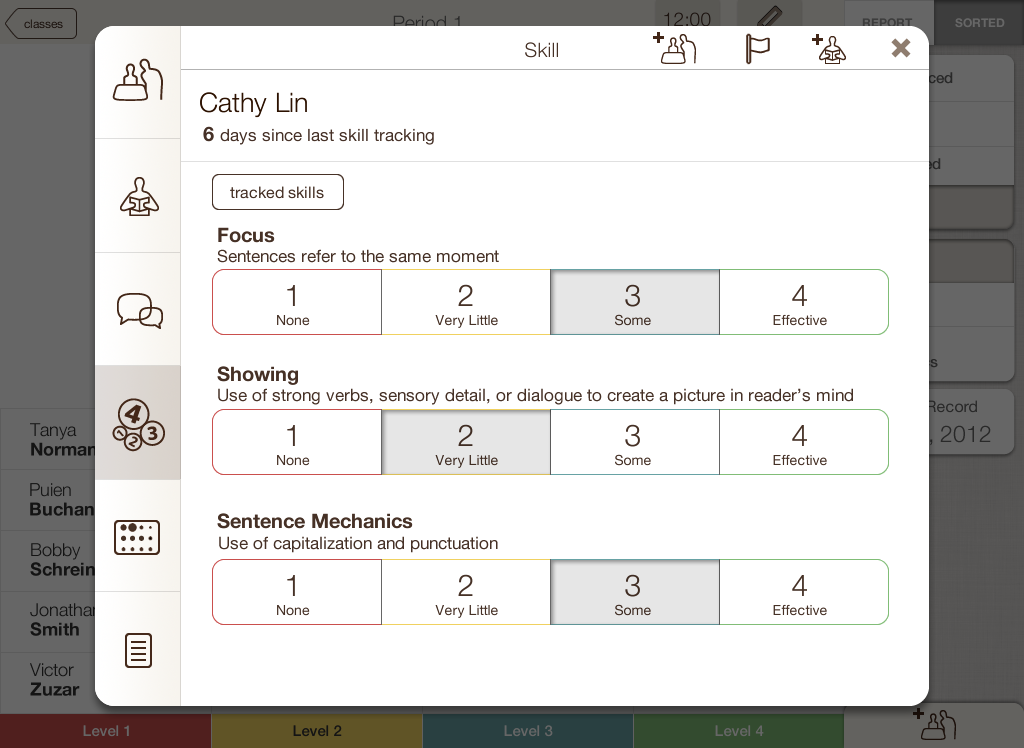
04 — Prototyping & Test: Five rounds of classroom testing refined these interaction states — sorting, student cards, conference input, and skill tracking.
Deliverables
- Technology Research
- Workshop Facilitation
- Product & UX Strategy
- Personas & Journey Maps
- 5 Prototype Iterations
Methods
- Co-Design Workshops
- Classroom Usability Testing
- Iterative Prototyping
- Stakeholder Interviews
Team
- Project Manager
- Education Experts
- UX Designer
- UI Designer
- Software Engineer