The Tension
Event management platforms lacked the security and customization that Web3 could provide — NFT tickets, blockchain-verified access, and decentralized ownership were technically possible but practically unusable. Web3 UX was too complex for non-crypto users. The gap between what the technology enabled and what event organizers could actually deploy was enormous.
My Approach
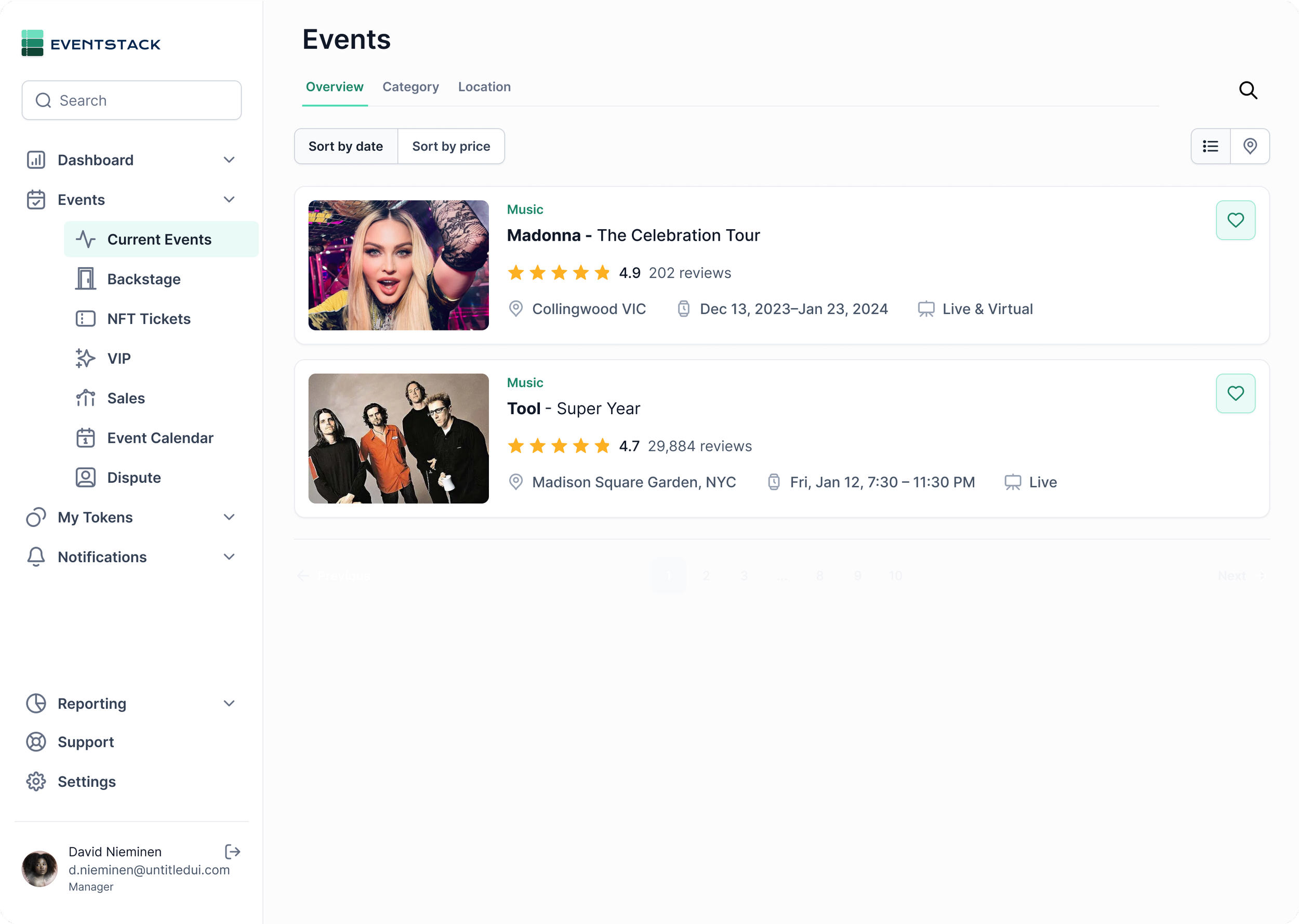
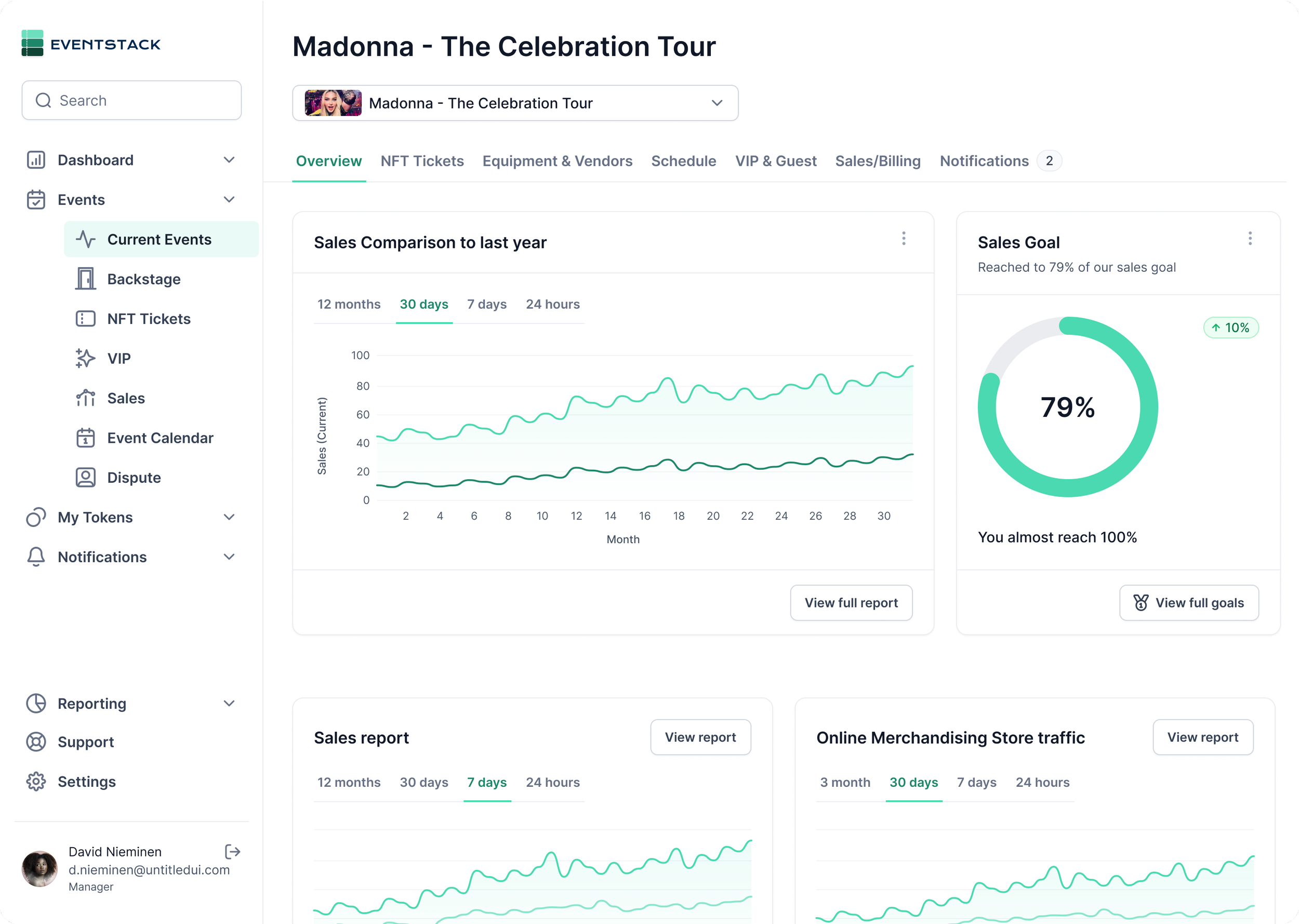
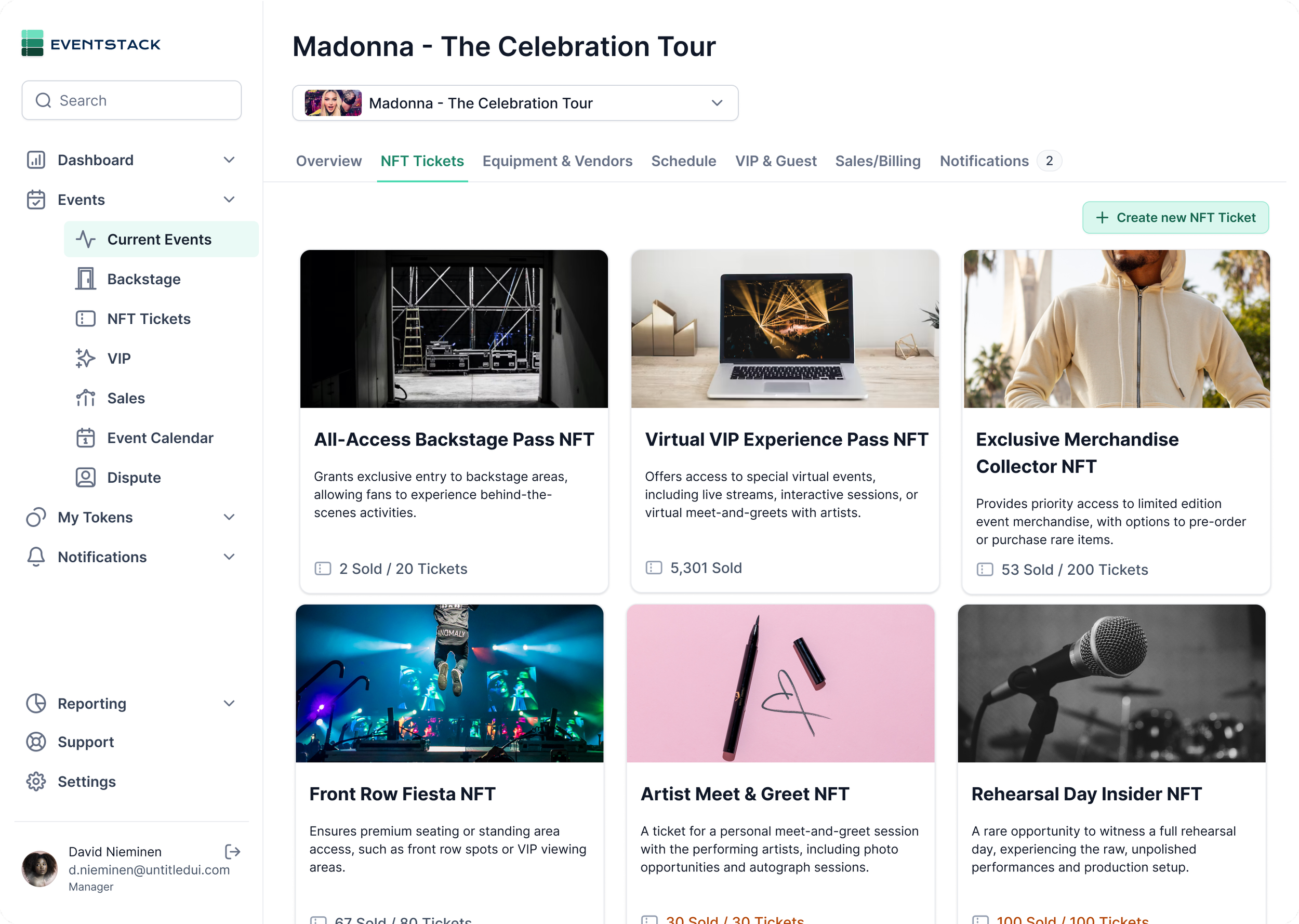
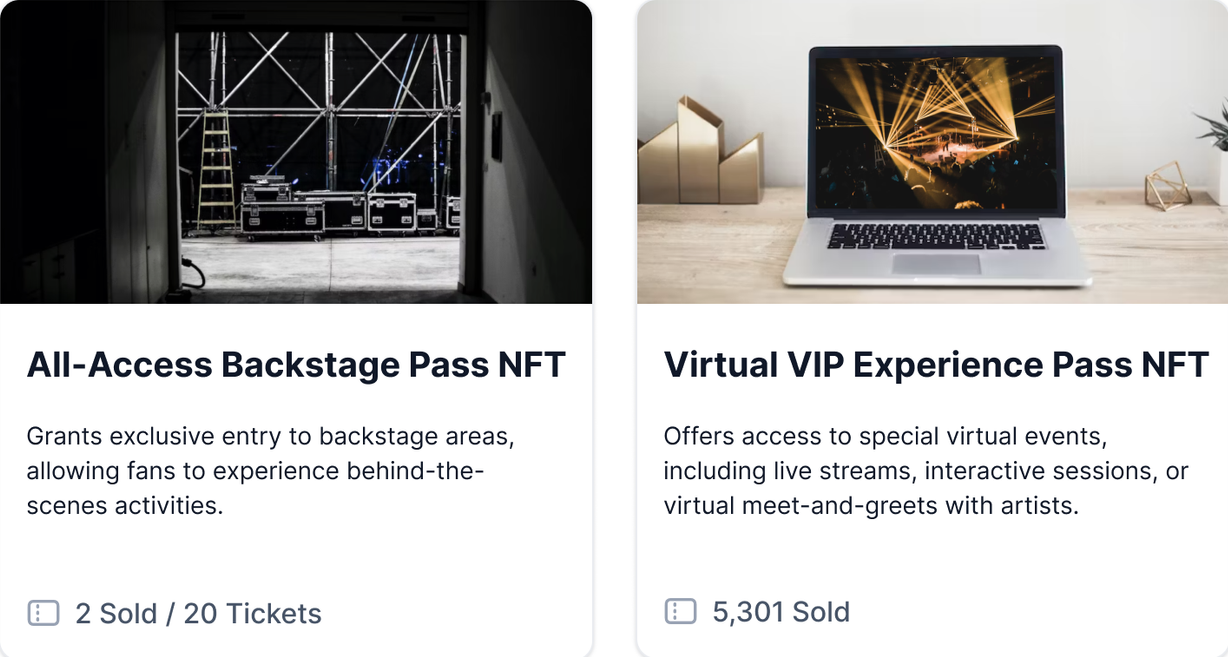
I designed a white-label custodial wallet that abstracted away blockchain complexity entirely. The key decision was role-based interfaces — instead of one universal dashboard, three distinct experiences mapped to three user types. End Users received a mobile wallet that felt like any native app, with NFT tickets appearing as simple event passes. Administrators managed events, minted tokens, and authorized staff through a purpose-built dashboard. Managers tracked financials and created NFT tickets through dedicated views. The custodial model meant users never touched seed phrases or gas fees.
Tools & Methods
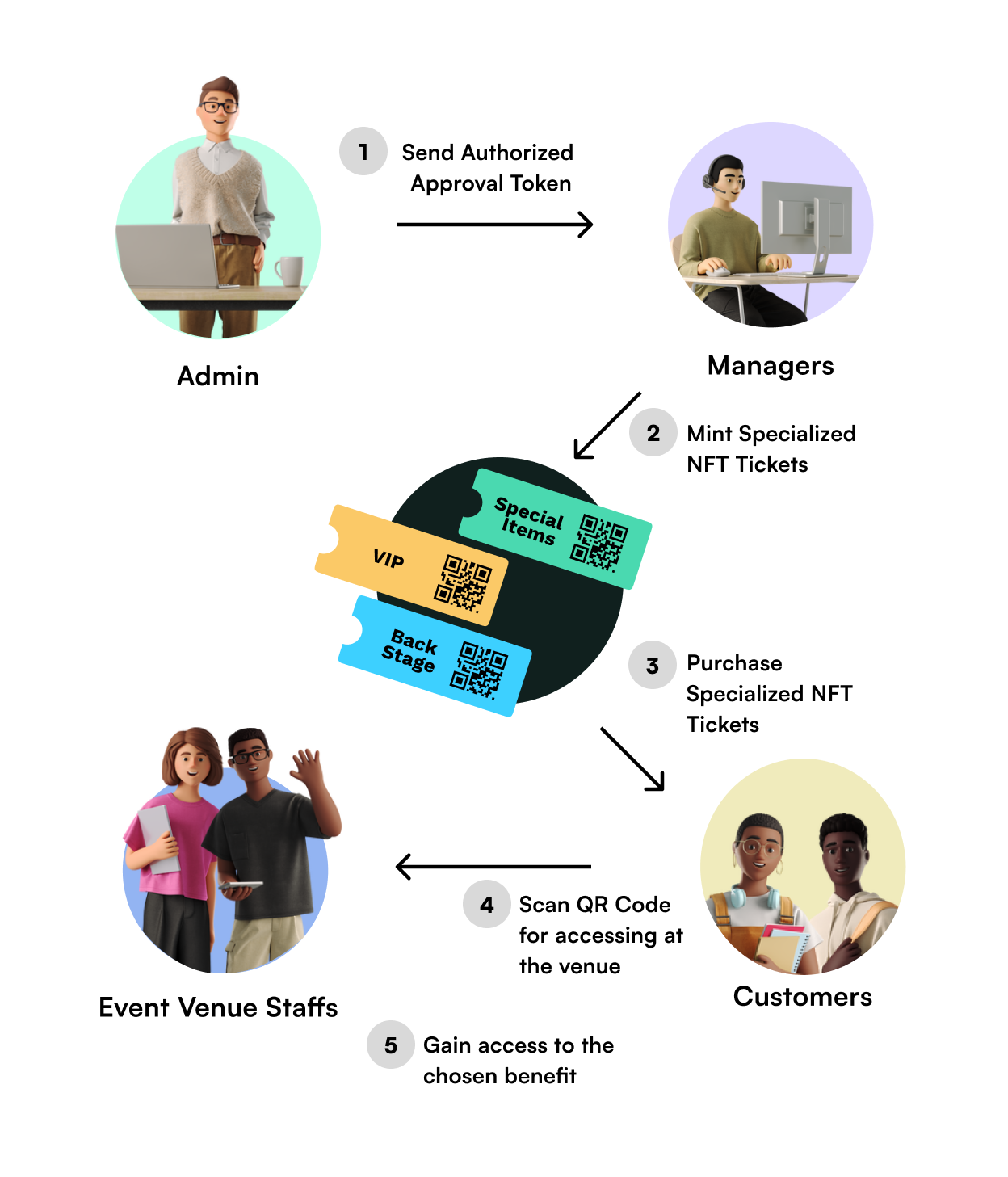
01 — Research & Strategy: Stakeholder map and multi-user customer journey defining how NFT tickets flow from Admin to Managers to Customers.
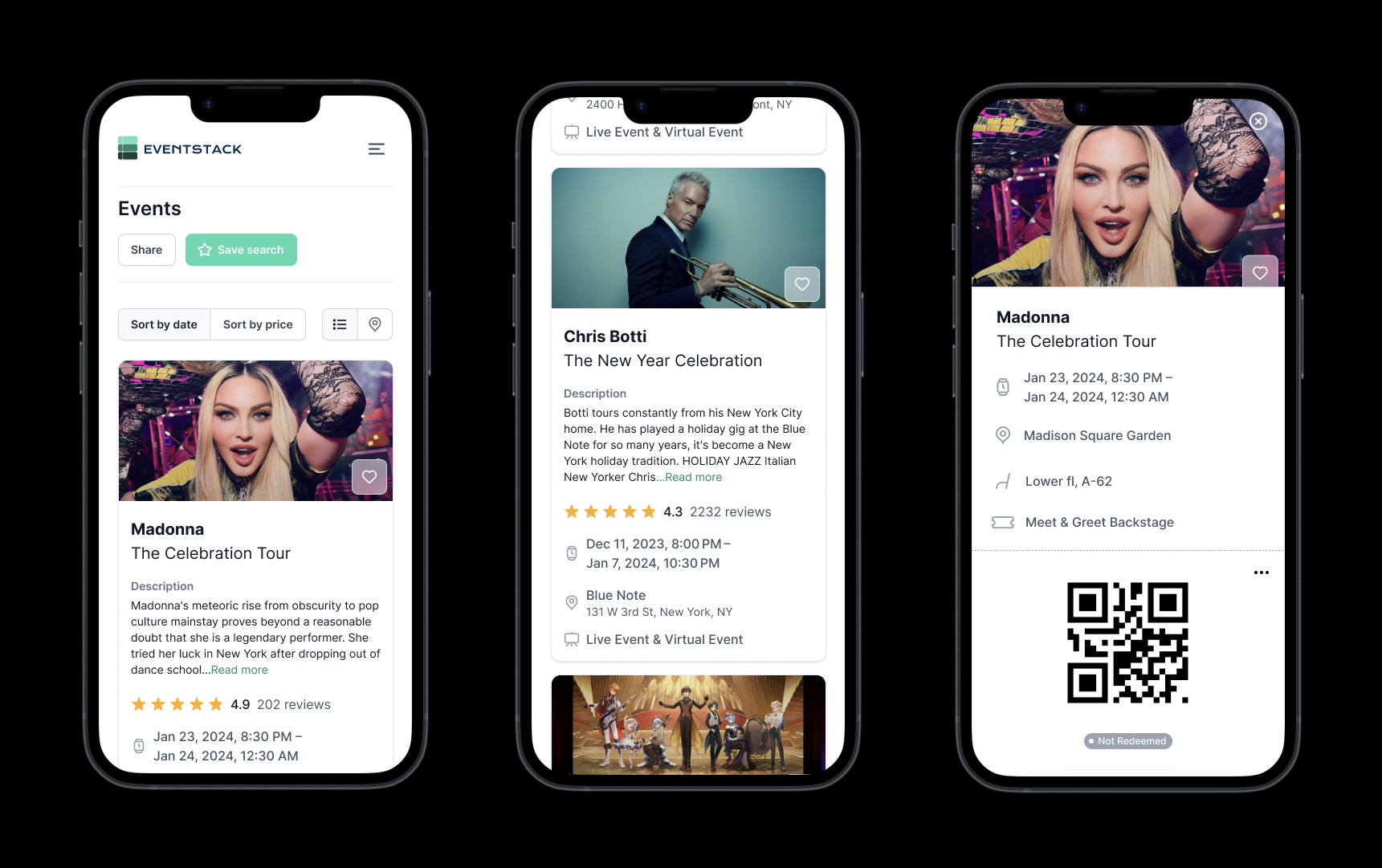
02 — End User's Interface: Mobile wallet — NFT tickets appear as simple event passes with QR-code entry, no crypto knowledge required.
03 — Admin's Interface: Event oversight, authorized-token minting, and staff access management across the platform.
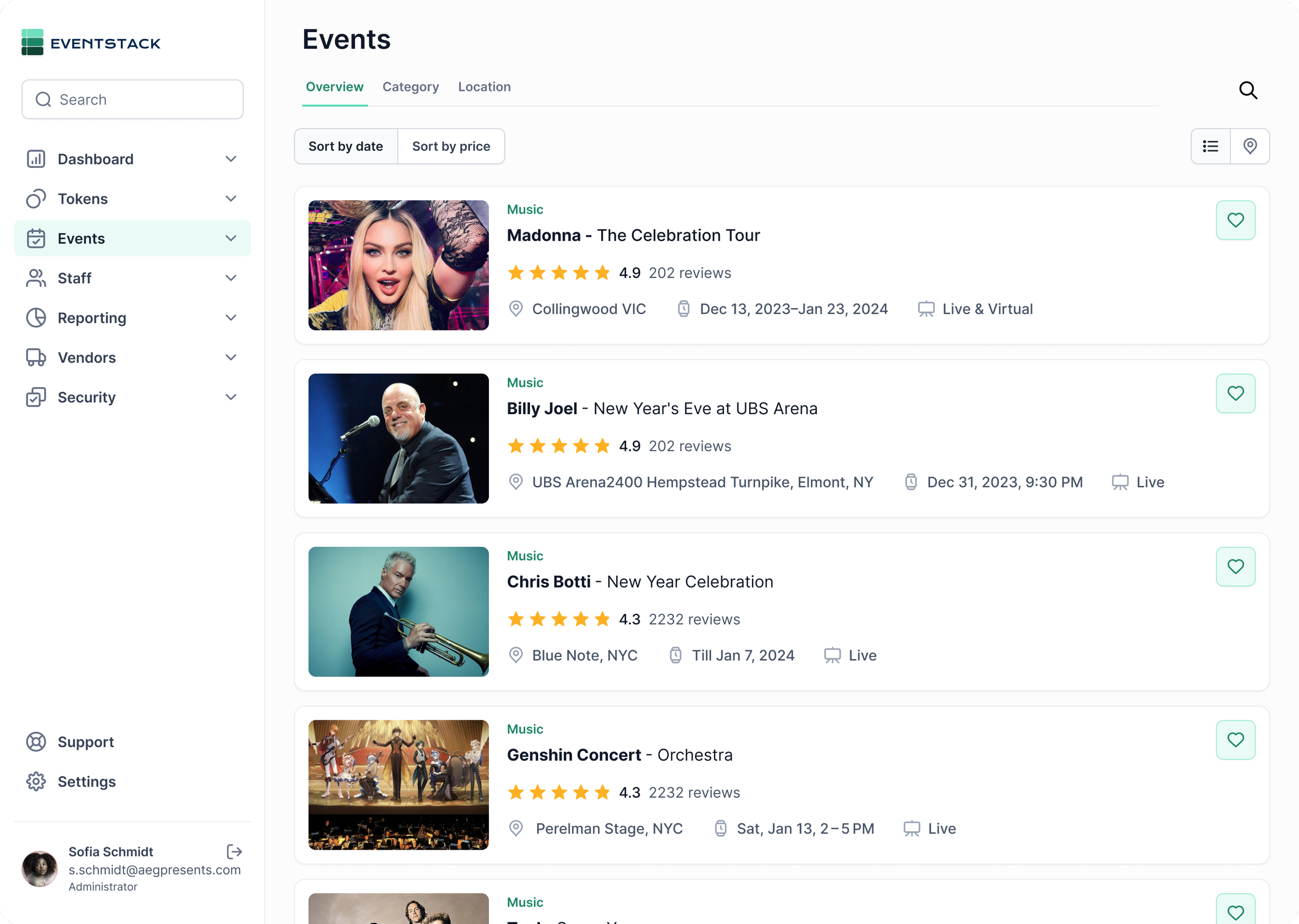
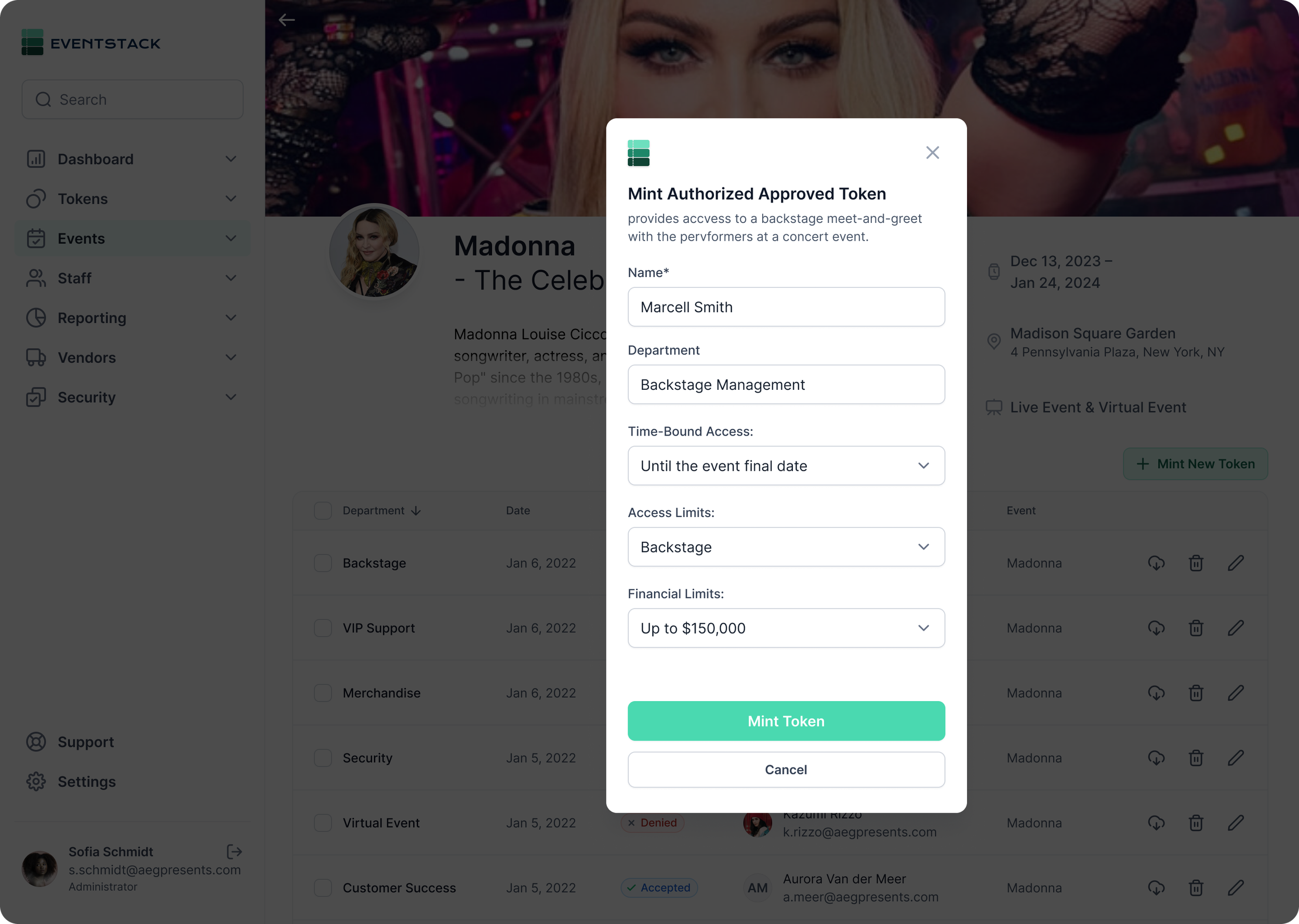
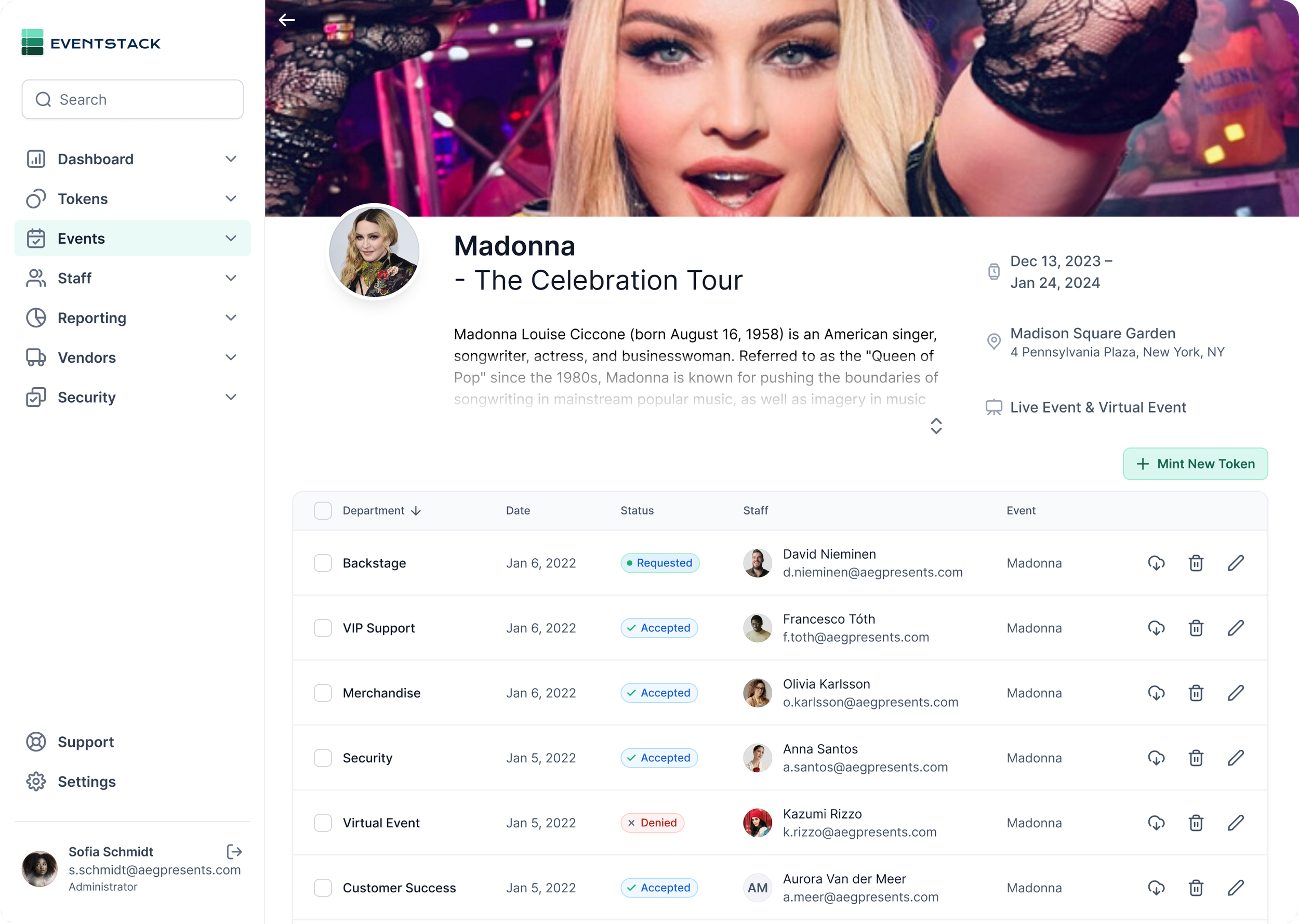
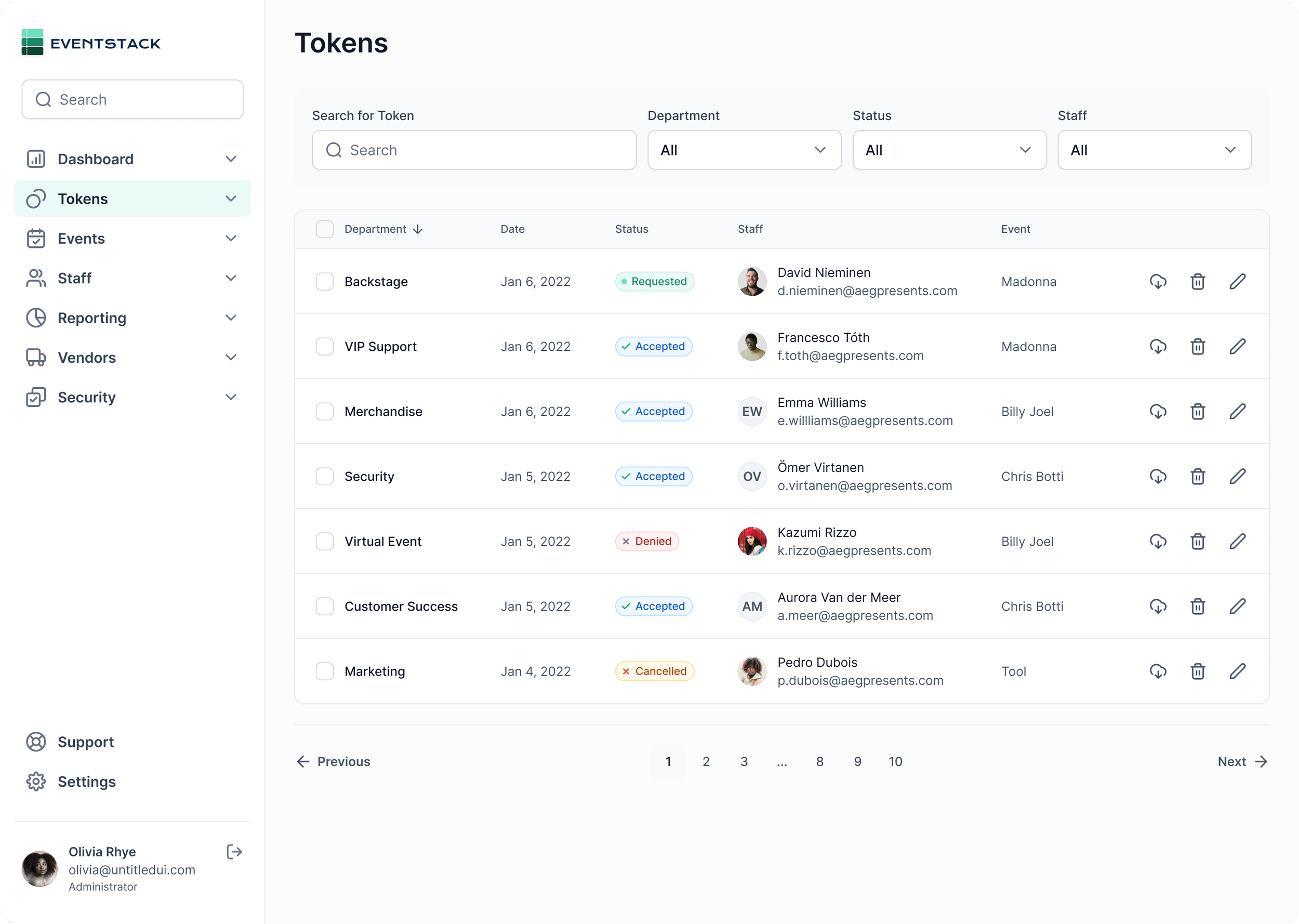
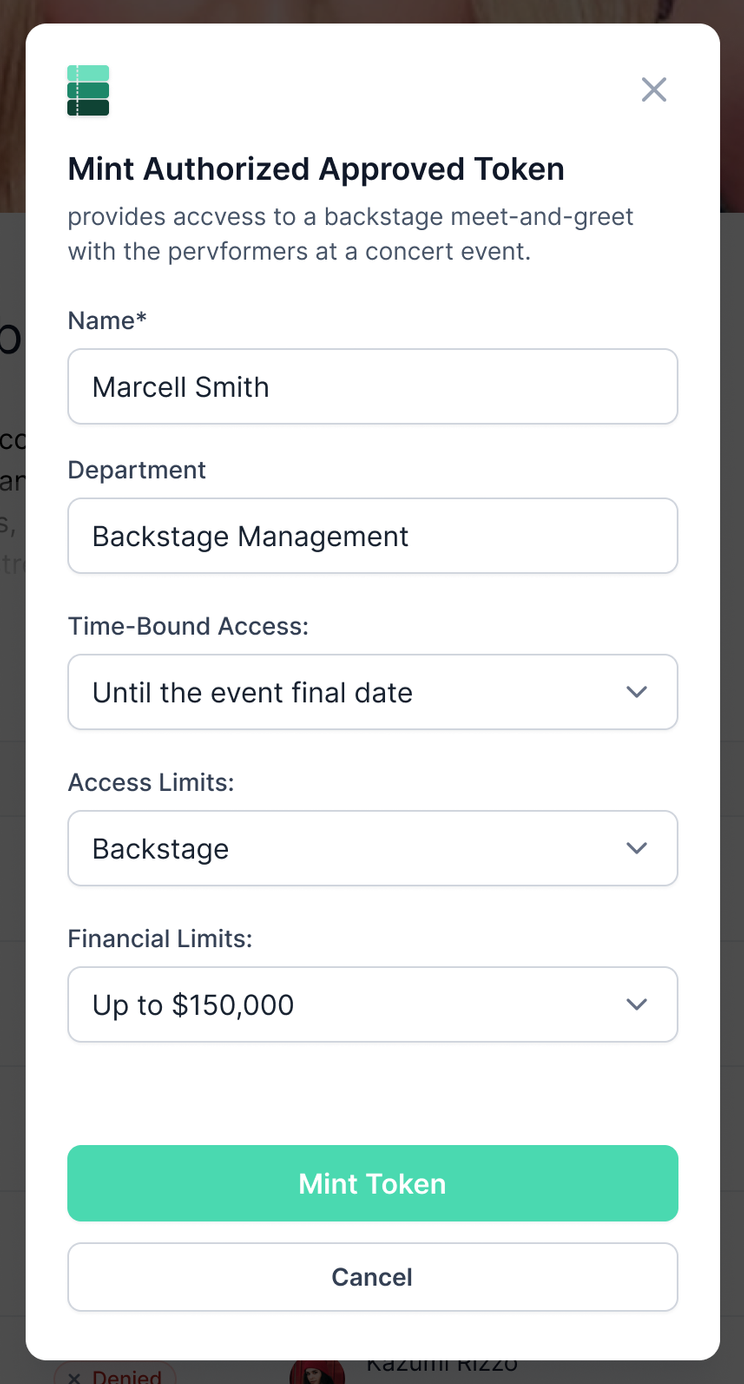
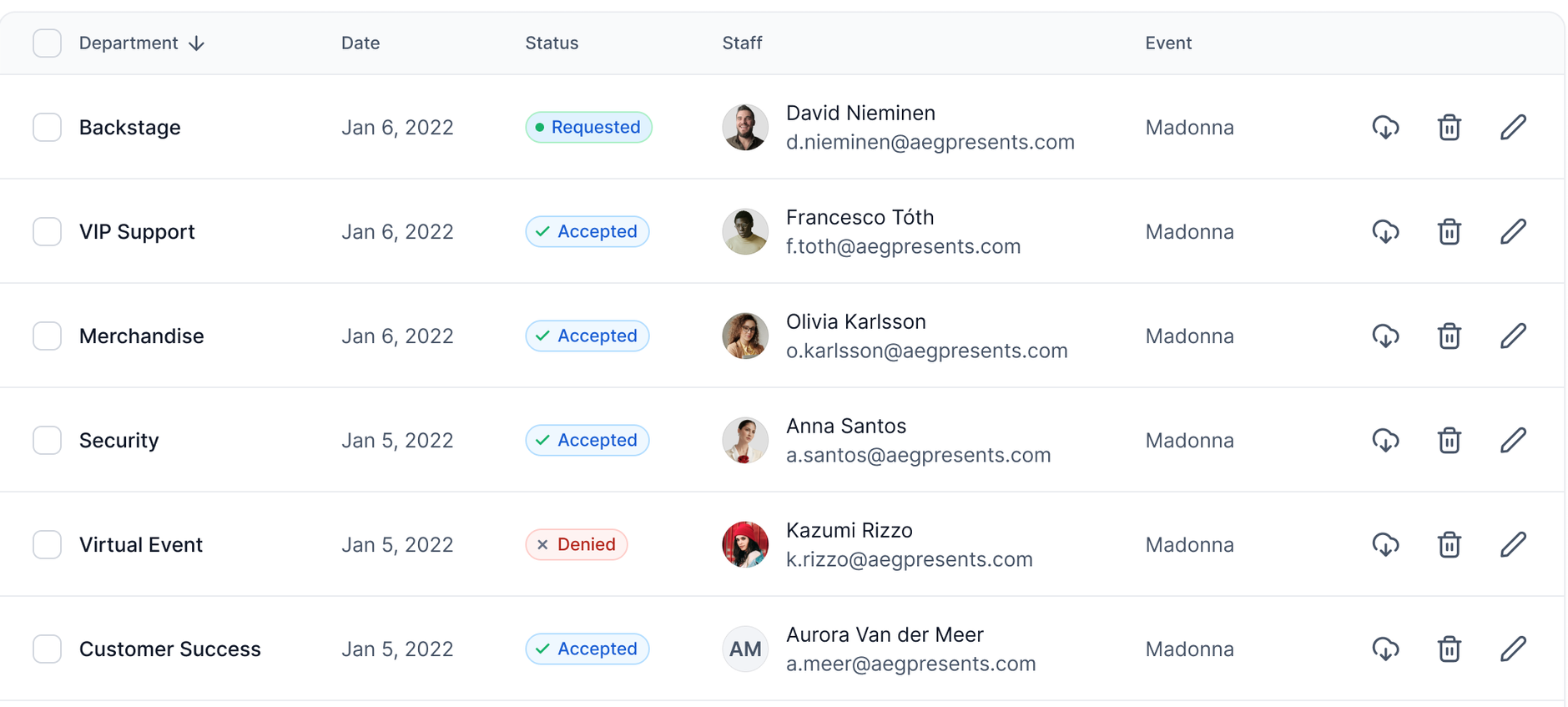
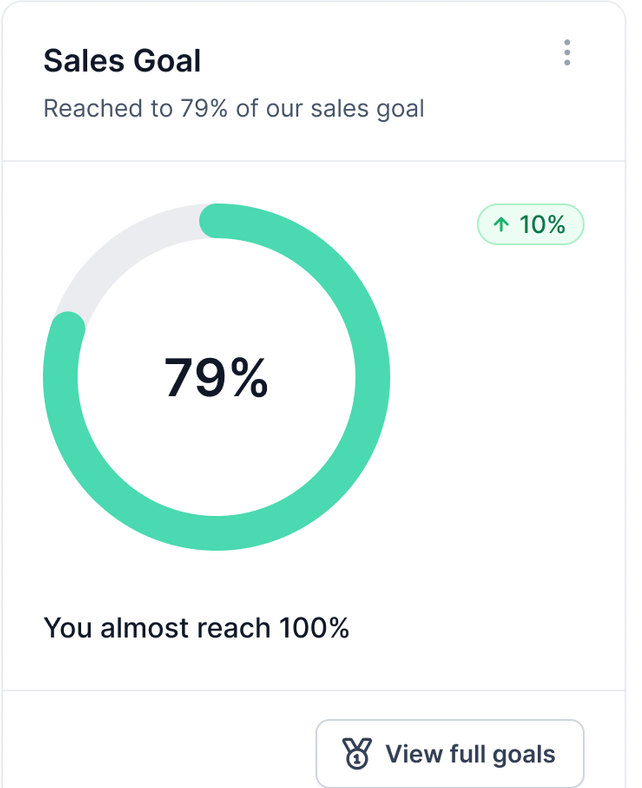
04 — Managers Interface: Financial dashboards, event rosters, and NFT ticket-tier creation for on-the-ground event teams.
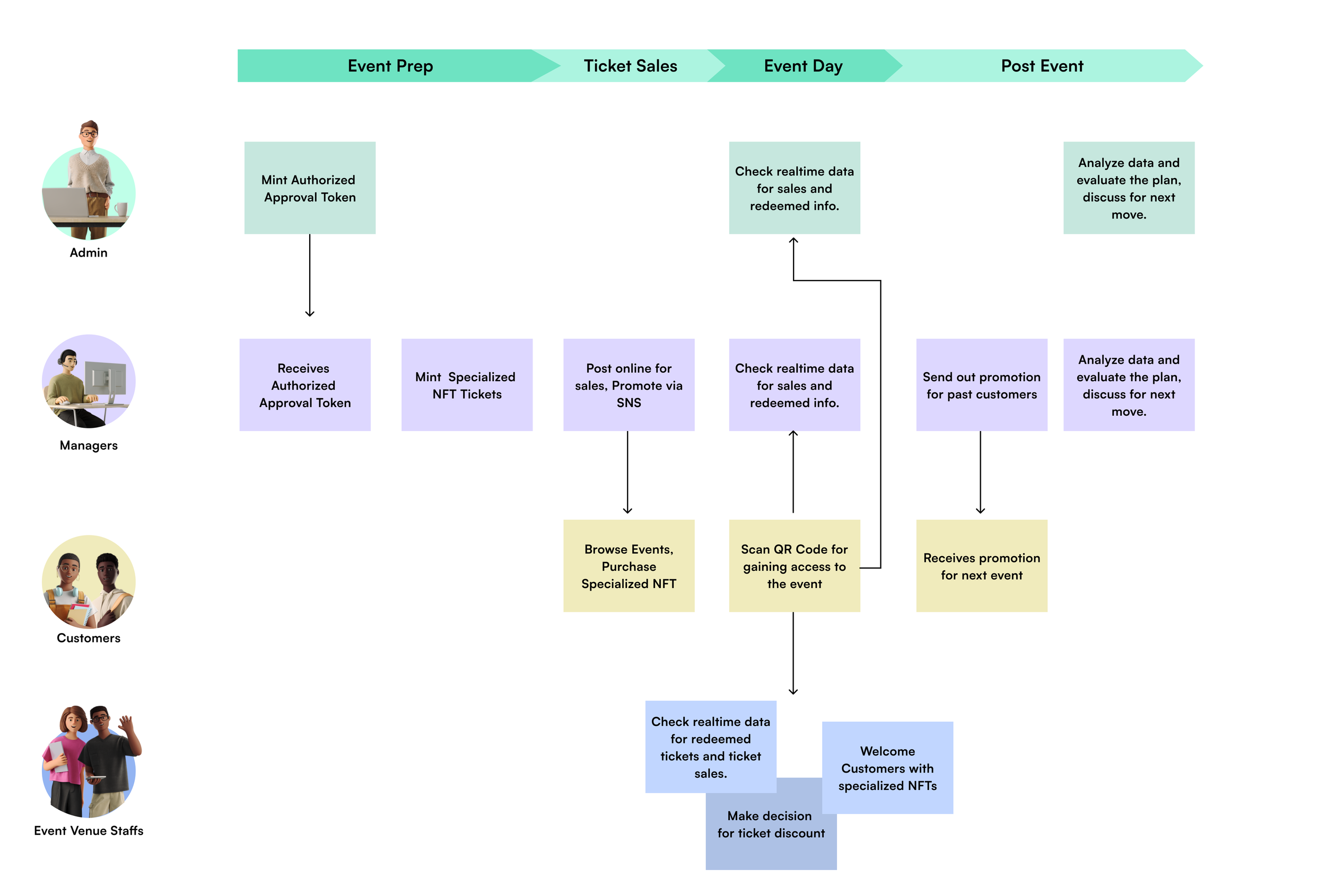
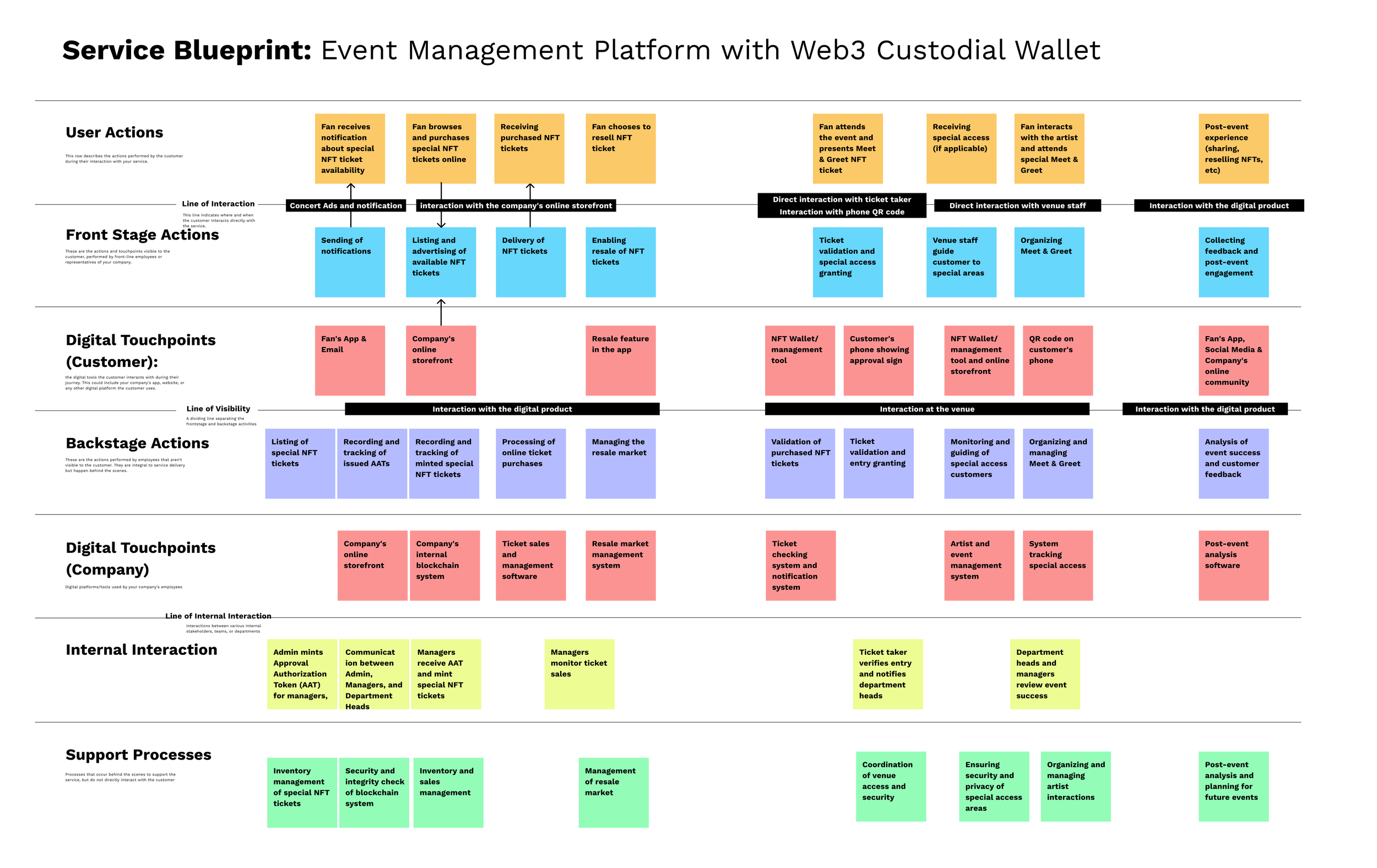
05 — Design Process: Service blueprint mapping every actor, touchpoint, and system across the full event lifecycle.
Deliverables
- Technology Research
- UX Research & Insight Generation
- Personas & Journey Maps
- Wireframing & Prototyping
- UI Design (3 platforms)
Methods
- Stakeholder Mapping
- Service Blueprinting
- Multi-User Journey Mapping
- Prototyping & Testing
Team
- Product Owner
- UX Researcher
- Software Engineers
- Blockchain Engineers